Do Braces Change Your Mouth Shape?
Orthodontics today is about far more than straight lines and even rows.
Teeth don’t exist in isolation. They hold up the lips. They define the width of a smile. They influence how light moves across your face when you speak, laugh, or rest. When teeth shift, those relationships shift too. That’s why braces can change more than just alignment — they can subtly reshape the way your mouth sits within your face.
For many people, the most noticeable difference after orthodontic treatment isn’t “my teeth are straighter.” It’s “my smile feels different.” Softer. Wider. More settled. More theirs.
These changes are rarely dramatic in a before-and-after sense. They’re quiet, cumulative, and they show up in how a mouth relaxes, how lips fall at rest, how a smile opens.
That’s what modern orthodontics is really working with.
How Braces Influence the Shape of a Smile
When teeth are crowded, narrow, or tipped inward, the smile can appear compressed. Lips may fold inward, and the mouth can feel tight or constrained.
As teeth are aligned, a few things tend to happen:
The dental arch often widens slightly
Teeth sit more upright
The smile line becomes smoother
Lips gain better structural support
This can make a smile look broader and more open. Not artificially “big” — just less contained.
In cases where the upper teeth are protrusive or retrusive, orthodontics can also alter how far forward the lips appear. That’s why treatment can subtly affect facial profile. A small shift in tooth position can change how the lips rest, or how the jaw relationship appears from the side.
It isn’t about changing faces. It’s about letting the face settle into a more balanced position.
The Role of Bonding After Braces
Once teeth are aligned, their shapes become more visible.
That’s often when people notice tiny inconsistencies: a tooth that’s slightly short, a corner that’s worn, a gap that alignment alone doesn’t fully resolve.
Composite bonding can refine these edges. It adds millimetres, not centimetres. But those millimetres matter.
Bonding after orthodontics doesn’t create a new smile. It completes the one that alignment began. The teeth are in the right place, and bonding adjusts how they meet the eye.
The result is a smile that looks coherent — not just straight.
Different Types of Braces, Different Aims
Each orthodontic system works with the same biological foundations, but they suit different needs.
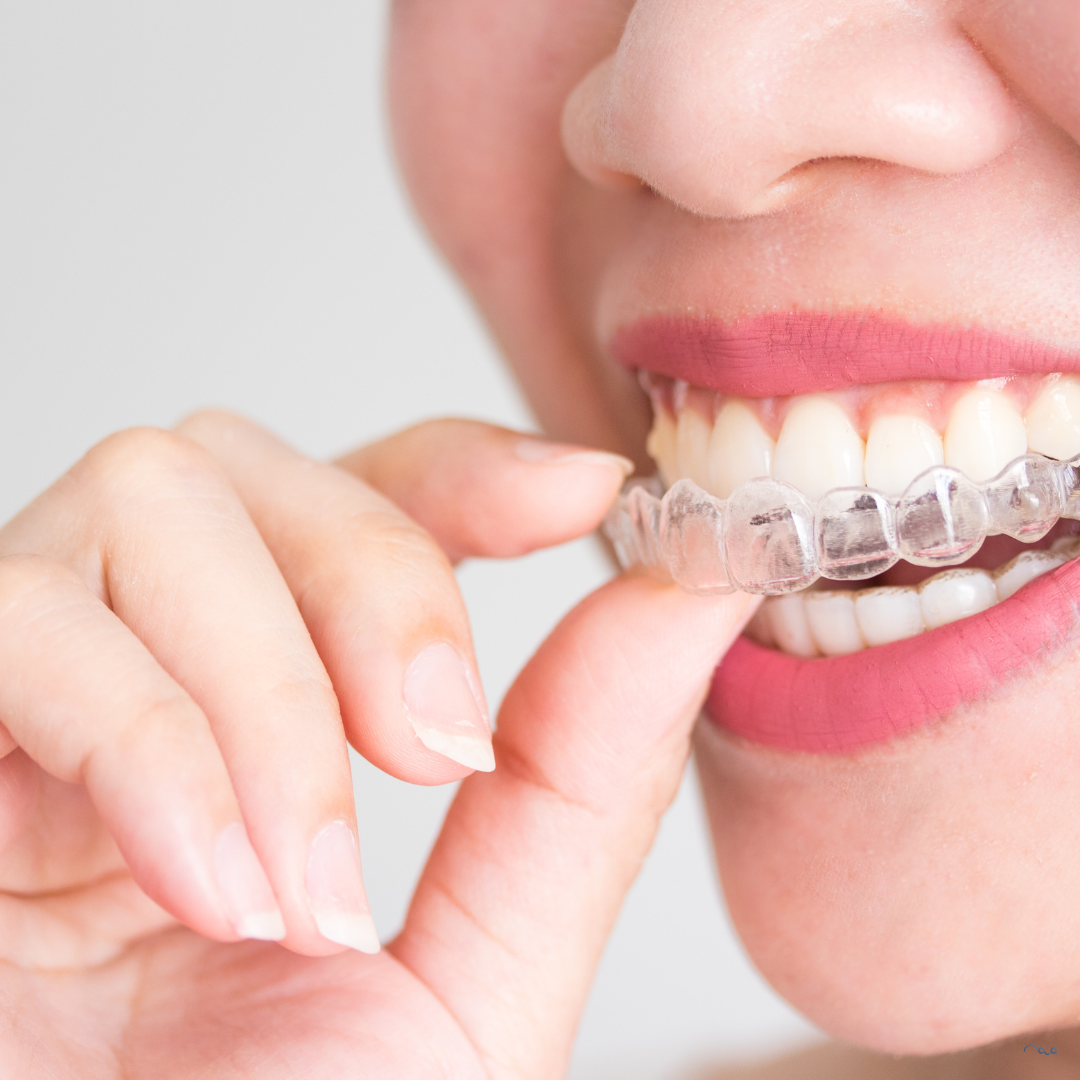
Invisalign
Best for: people who want discreet, flexible treatment for mild to moderate alignment issues.
Clear aligners can widen a smile, improve spacing, and refine position without drawing attention.
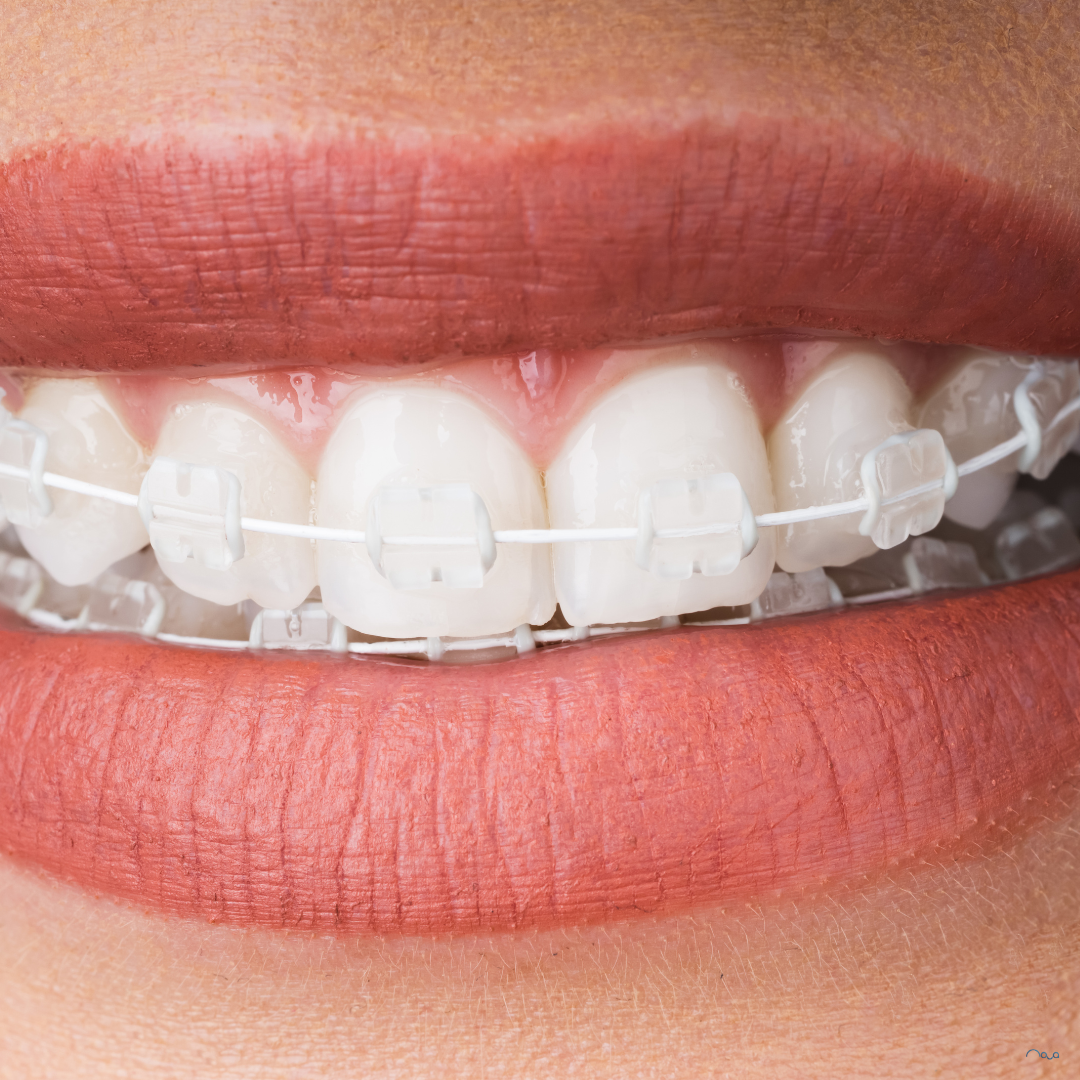
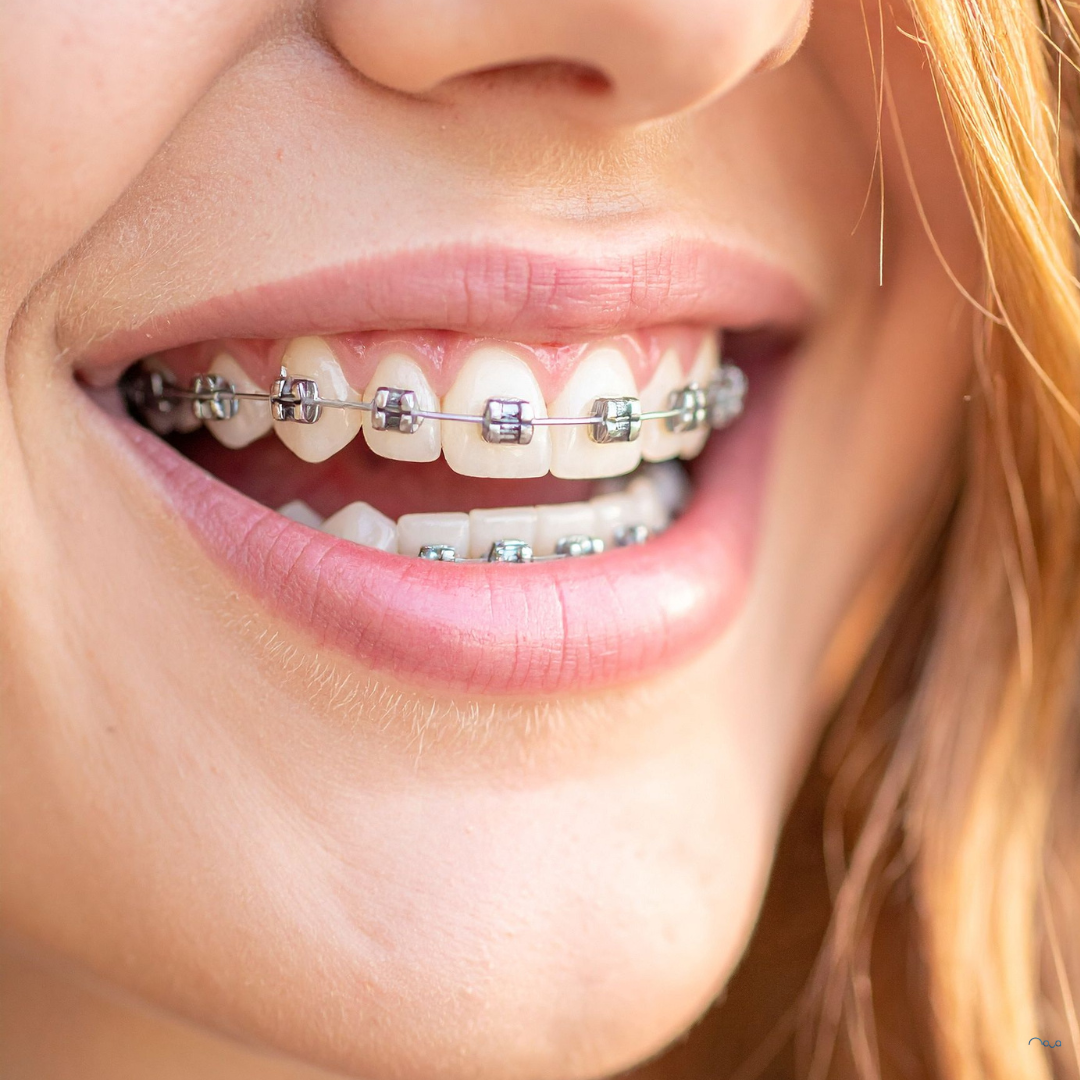
Damon Braces
Best for: those needing broader arch development or more complex movement.
These fixed braces often allow expansion with less need for extractions and can noticeably open a narrow smile.
Six Month Smiles (Limited Objective Orthodontics)
Best for: people concerned mainly with visible front teeth.
These focus on cosmetic alignment rather than full bite correction.
Inman Aligner
Best for: quick adjustment of one or two front teeth.
Often used after relapse from previous orthodontics.
Each option shapes teeth differently. The right choice depends on what you’re trying to achieve — function, aesthetics, speed, discretion, or all three.
Do Braces Change Your Face?
They can, gently.
Orthodontics can:
Reduce lip strain caused by crowding
Improve lip support
Adjust protrusion
Influence jaw relationships
Soften a profile
These aren’t surgical changes, they’re structural refinements. Teeth form part of the framework of the face. Moving them alters how that framework behaves. In many people, this makes the face look calmer, more proportionate, and less tense.
Most patients don’t walk out looking “different.” but rather looking settled.
A Different Way to Think About Straightening
A better way to understand orthodontics today is this:
It’s not about forcing teeth into a template, but more about helping a smile find where it naturally belongs. Straightness is only one outcome. Proportion, symmetry, and how teeth relate to lips and jaw matter just as much.
When alignment is done thoughtfully (and when small refinements like bonding are used with restraint) the result isn’t a “braces smile.” It’s a smile that looks as though it has always belonged there.