Are Expensive Electric Toothbrushes Worth It? Budget vs Premium Review
The best electric toothbrushes are designed to revolutionise the way you clean your teeth, instantly improving on manual brushes and making it easier to enjoy healthy teeth, but they are, inevitably, more expensive. Walk into any chemist or scroll online and you’ll see prices ranging from under £30 to well over £500, depending on the brand and model. With big names like Oral-B, Philips, and newer premium disruptors like Suri dominating the shelves, the big question remains: are expensive electric toothbrushes actually worth it, or can budget models do the job just as well?
As with all things, there are tiers of products offering a range of features, some helpful, some useless for the majority of users. The trick is to find the right brush for you that doesn’t cost the same amount as return flights to New York. You really need to decipher which features are worth investing in, particularly when it comes to managing your own dental issues. There’s no use overpaying for a product that doesn’t help with braces, or that has cleaning modes too powerful for sensitive gums.
We break down the real differences between budget and premium electric toothbrushes, looking at cleaning performance, features, value for money, and whether you should be spending more or less on your new electric toothbrush.
The Evolution of Toothbrushing
From Manual to Electric
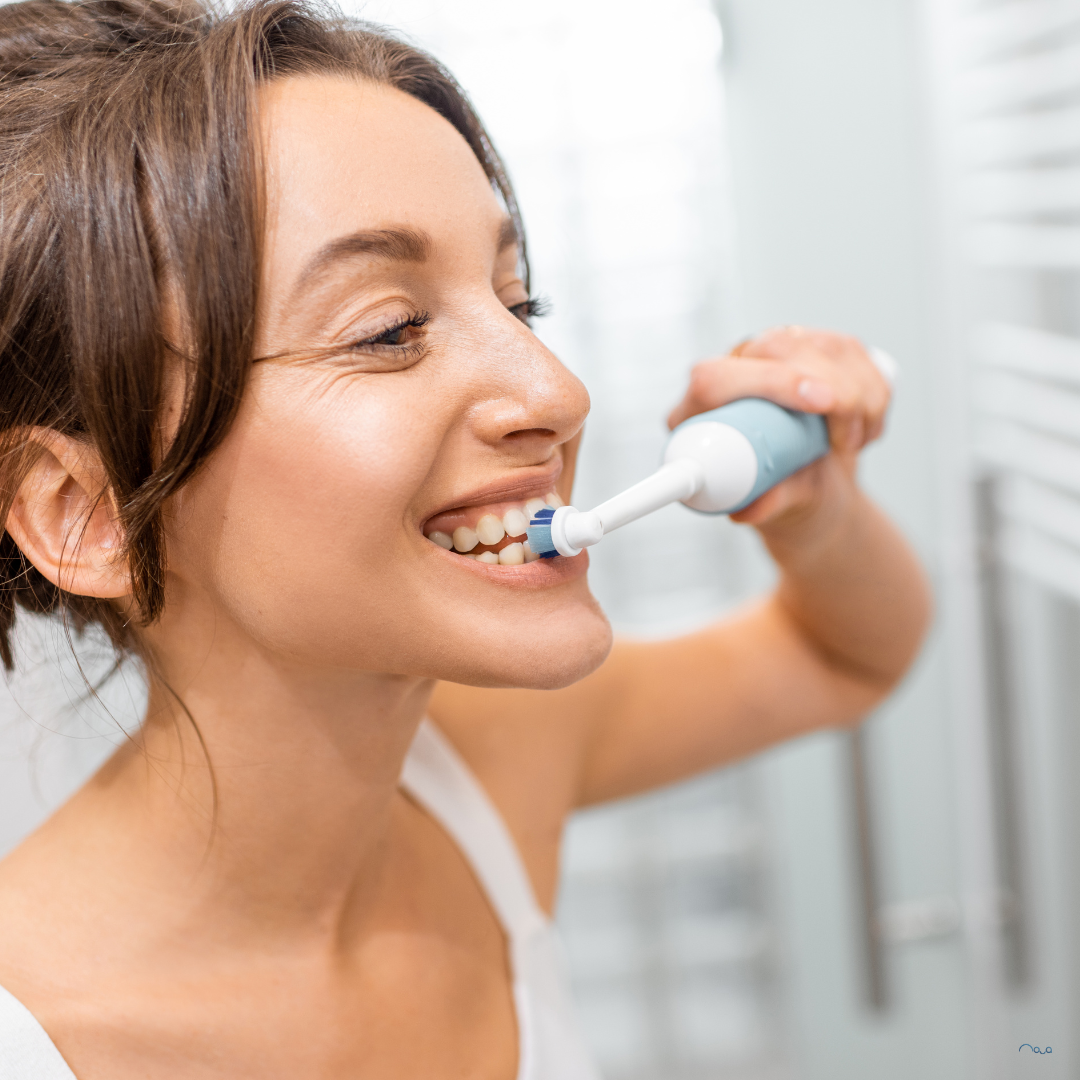
For decades, manual toothbrushes were the standard. But growing evidence around plaque removal and gum health has pushed electric toothbrushes into the mainstream. Many UK dentists now recommend electric models because they remove plaque more consistently and help users brush for the correct amount of time. It’s also significantly more efficient to hold a brush against your tooth and let the motor’s intense vibrations remove the plaque, rather than you physically moving the brush from side to side and hoping you’re doing a good enough job.
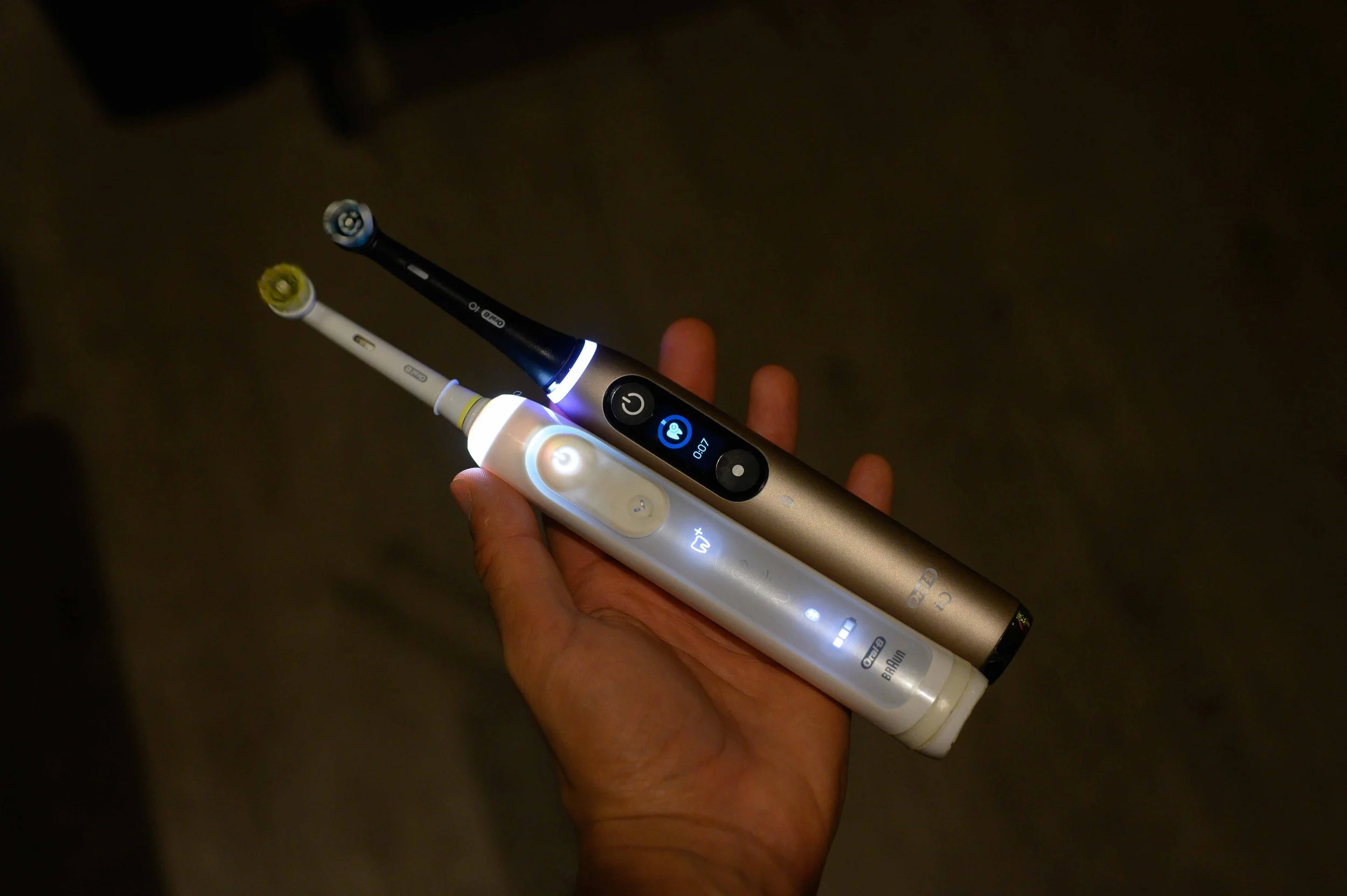
Two Oral-B Electric Toothbrushes can offer different features
What “Electric” Really Means
Not all electric toothbrushes are the same. Most fall into two categories, which is largely delineated by brand:
Oscillating-rotating brushes (popularised by Oral-B)
Sonic brushes (led by Philips and Suri)
Both improve cleaning compared to manual brushing, but they differ in feel, technology, and price. You can read up on our comparison of Oral-B vs Philips’ Sonicare range here, showcasing the major differences between the cleaning methods, but the cliff’s notes are: there’s no real scientific difference between the two.
Really, any electric toothbrush will be better than a manual one, and while there are subtle differences in how the brush feels while using it (some users prefer the sonic pulses of Philips’ products, especially if they have sensitive teeth and gums) it’s down to personal preference, so go for whatever brand excites you.
Budget Electric Toothbrushes: What You Get for Less
Price Range & Typical Features
Budget electric toothbrushes typically cost between £25 and £60. At this level, you can expect the basic features found on all electric brushes. These will certainly include a two-minute timer and pressure sensor, which we think are the two most important features when considering a new brush. So long as you have those two features, you’re instantly more efficient than a standard manual brush, and you’re well on your way to healthier dental care.
You may also find a few cleaning modes that marginally change the intensity of the vibration depending on targeting a specific issue. This could be a daily cleaning mode, a “whitening mode” or a gentler option for sensitivity. In our opinion, this should be less of a focus for you, as the modes are barely different in most cases, which is why you’ll see fewer modes available on more affordable options.
Down at the bottom of the scale you won’t find fancy AI capabilities or smartphone integration (more on that later), but for the majority of users who just want a more effective clean at a lower cost, you really don’t need it. Just good technique, consistent routine, and the above-mentioned features are more than enough to improve. In that regard, cheaper options are certainly worth looking at.
Example Brands & Models
So where should you be looking? Both Oral-B and Philips offer excellent entry-level models that deliver strong cleaning power without unnecessary extras. These brushes often use the same core motor technology as pricier models — just with fewer features attached.
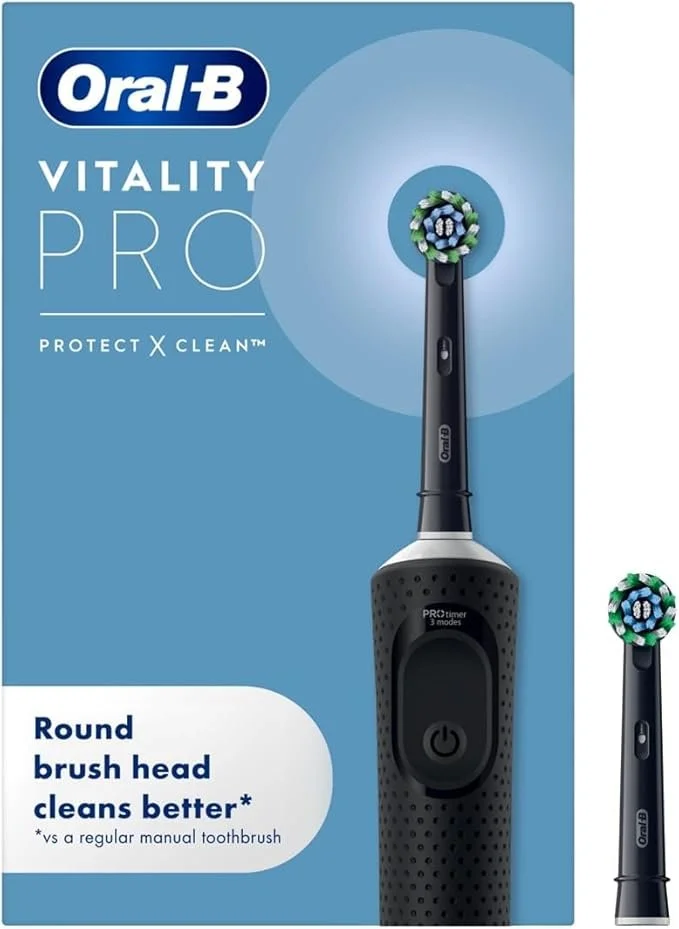
The Oral-B Vitality Pro is one of the best entry-level options below £50, providing some of the best features available and using it through Oral-B’s unique oscillating cleaning method, the bristles wrap around your teeth for a complete clean, sweeping away plaque from those difficult-to-reach places. It’s got a solid battery life, a good build quality that should last a good length of time, and has those basic features that make your brushing routine easier and more efficient.
Key Specs
2-min timer: Yes
Pressure sensor: Yes
Cleaning modes: 3 - Daily Clean, Sensitive, Super Sensitive,
Battery life: 2 weeks
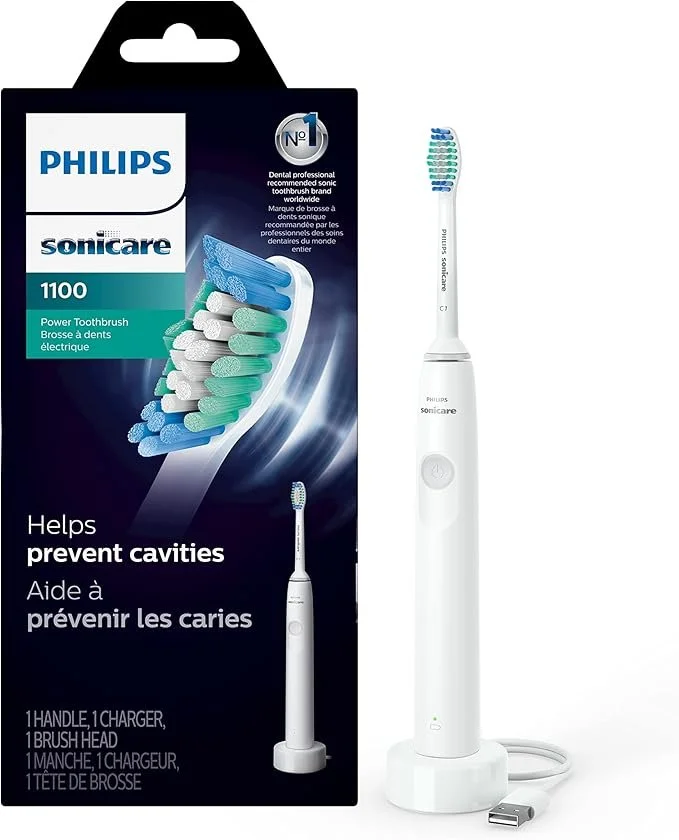
A great alternative at this price point is Philips Sonicare 1100, which is affordably priced and well-equipped to cope with the usual dental issues you may suffer from. There’s not many cleaning modes, and the handle is a bit basic, but it does a great job cleaning your teeth with Philips’ sonic pulse technology.
Key specs
2-min timer: Yes
Pressure sensor: Yes
Cleaning modes: 2 - Clean, Sensitive
Battery life: Two weeks
Premium Electric Toothbrushes: What You’re Paying For
Advanced Features Explained
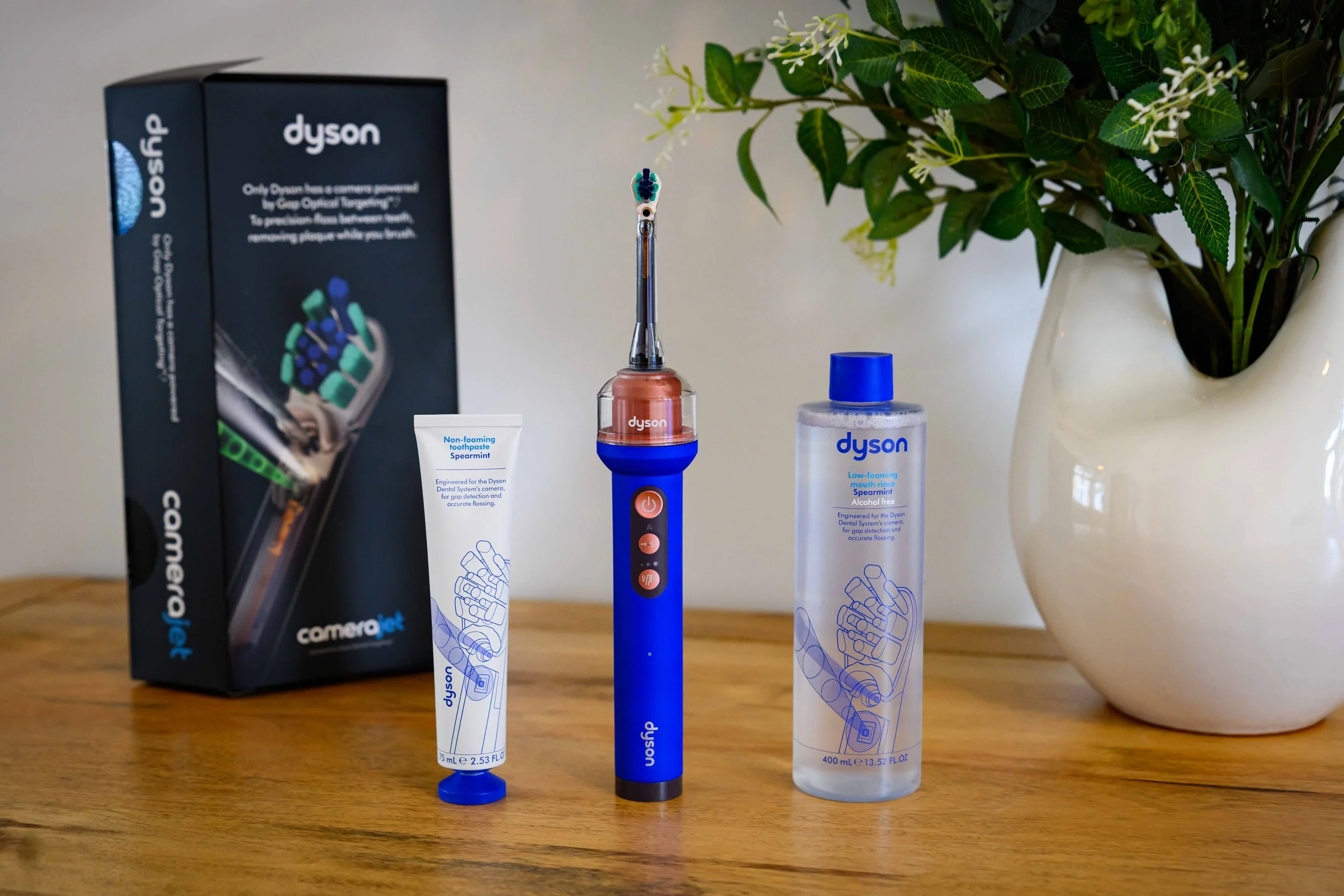
Premium electric toothbrushes (£150–£350+) add layers of technology designed to improve technique, not just cleaning power. At this price point, you’ll find features like additional cleaning modes, wireless charging and AI features, where the brush can sync up to your smartphone and give you real-time feedback, dental mapping and personalised guidance from professional dentists to aid you.
While these features sound impressive, their value depends on how well you use them. A lot of it is simply hyped-up marketing that makes it sound more useful than it may actually be, and in most cases, you’ll perhaps use the feature once and forget all about it. If you really love techy stuff and think you’ll get a kick out of measuring your usage over time and you enjoy tinkering with gadgets, then it could be worth the money for you, but in many cases, the brush costs upwards of £300, so think carefully before you buy.
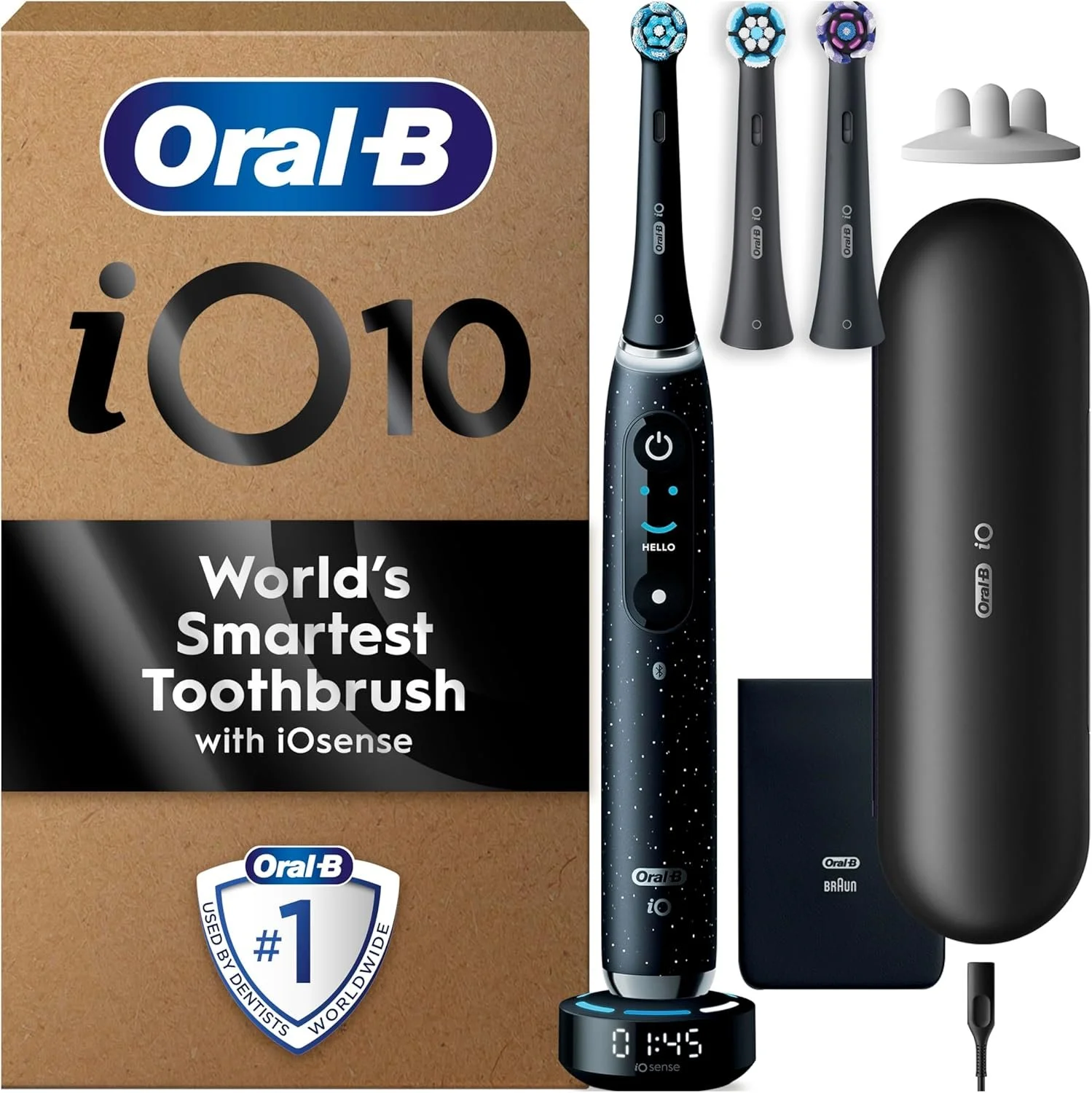
Oral-B’s iO10 sits at the pinnacle of the brand’s range, offering the highest-spec features, including the AI tracking. It essentially provides a live digital map of your mouth, highlighting teeth that still need to be cleaned, or have not been cleaned thoroughly enough, and guiding you through your mouth to provide the best, most efficient session. It then tracks all this data to show you how you’re improving over time, giving you awards for reaching milestones, which can be a fun way to keep you motivated. A huge battery, solid build quality and a wealth of cleaning modes makes it one of the most complete brushes on the market.
Key Specs
2-min timer: Yes
Pressure sensor: Yes
Cleaning modes: 7 - Daily Clean, Sensitive, Whiten, Gum Care, Intense, Super Sensitive, Tongue Clean
Battery life: 1 month
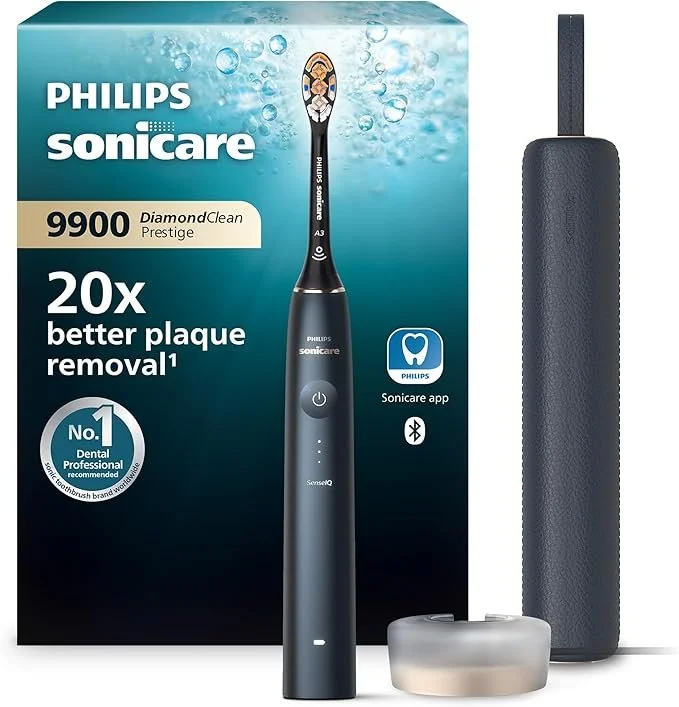
Key specs
2-min timer: Yes
Pressure sensor: Yes
Cleaning modes: 3 - Clean, white and sensitive
Battery life: Two weeks
Mid-Range Electric Toothbrushes: The Best Of Both Worlds
Brand Spotlight: Suri
Finally, we’ll discuss the middle point of the spectrum, priced at around £100. Here, you’ll find a blend of high-end tech and useful features but at a more affordable price. You might find some AI functionality, as well as all the usual must-have specs like two-minute timers, long-lasting batteries and multiple cleaning modes at a lower price, but the quality isn’t sacrificed; you simply get fewer toys to play around with, and honestly that’s perfectly fine in most cases.
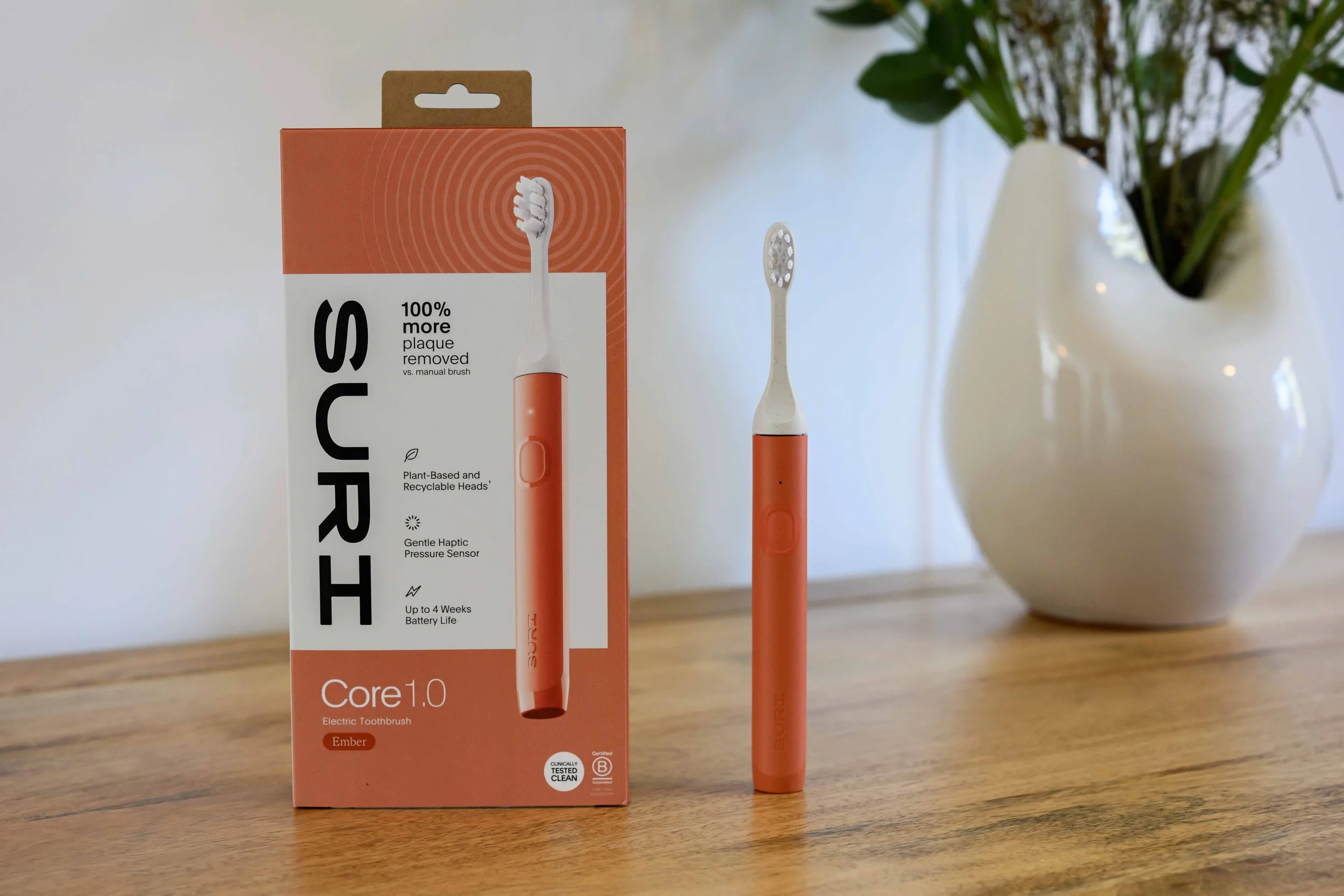
We like Suri’s eco-friendly approach to dental care, particularly the 2.0, which — blending dental technology with design and sustainability. Its sonic toothbrush focuses on a more minimalist design, with only 1 extra cleaning mode, but the overall quality of the brush is exceptional, having been made from fully recycled materials. It uses Philips’ Sonic pulse technology to lift plaque from your teeth, while also taking advantage of the oval-shaped brush heads to cover as much space along your teeth as possible.
It’s also got a self-cleaning bacteria-busting UV travel case that eradicates unwanted bacteria between uses.

Key specs
2-min timer: Yes
Pressure sensor: Yes
Cleaning modes: 2 - Gentle and Deep clean
Battery life: 40 days
An Oral-B alternative at this price would be the iO5, which straddles the line between high-end luxury brushes and the more affordable price range. You still get AI smart tracking and dental guidance from professional experts through the app, but the brush is less than £100, providing excellent value for money.
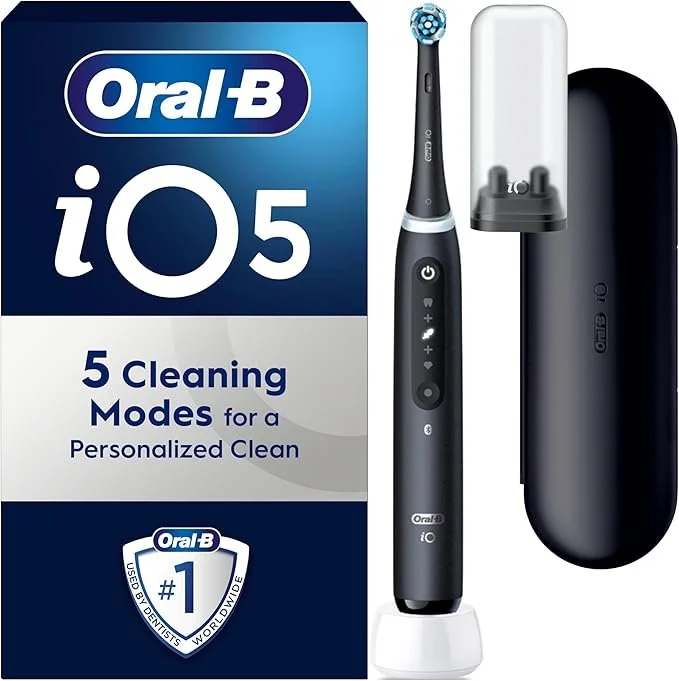
Key Specs
2-min timer: Yes
Pressure sensor: Yes
Cleaning modes: 5 - Daily Clean, Sensitive, Whiten, Gum Care, Super Sensitive
Battery life: 1 month
Budget vs Premium: Key Feature Comparisons
Cleaning Performance
Here’s the crucial truth: both budget and premium electric toothbrushes clean teeth effectively. Studies consistently show that electric brushing — regardless of price — improves plaque removal over manual brushing. The only thing you’re getting with paying more money is more features, but the very basic stuff, like a powered motor that moves the brush head for you, is gong to instantly improve your cleaning. For those who suffer from specific oral health issues, like those with braces and dentures, or you suffer particular problems like sensitive teeth or unusual wisdom tooth positions, will benefit more from a quality brush.
Everything else is largely marketing. Even things like longer batteries with wireless charging capabilities should be considered as superfluous to the quality of your cleaning. Pricier models may last longer throughout the years, requiring you to buy fewer models long-term as well. It’s worth considering your budget and assessing just exactly what your needs are and targeting them ,rather than being swayed by all the extra features.
Final Verdict: Are Expensive Electric Toothbrushes Worth It?
Dentists agree on one thing: tech only works if it’s used correctly. A £300 toothbrush won’t improve oral health if brushing habits are poor. However, pressure sensors, timers and personalised coaching can help prevent common issues like overbrushing and gum recession.
For most people, a good mid-range or budget electric toothbrush is more than enough to maintain excellent oral health. Premium models from Oral-B, Philips, and Suri add convenience, comfort, and coaching — but they don’t magically clean teeth better.
If you enjoy tech, design, or need extra support with brushing habits, premium brushes can be a worthwhile investment. Otherwise, spending less and brushing well will always beat spending more and brushing poorly.
The best toothbrush isn’t the most expensive one — it’s the one you’ll use properly, twice a day.
NOW READ
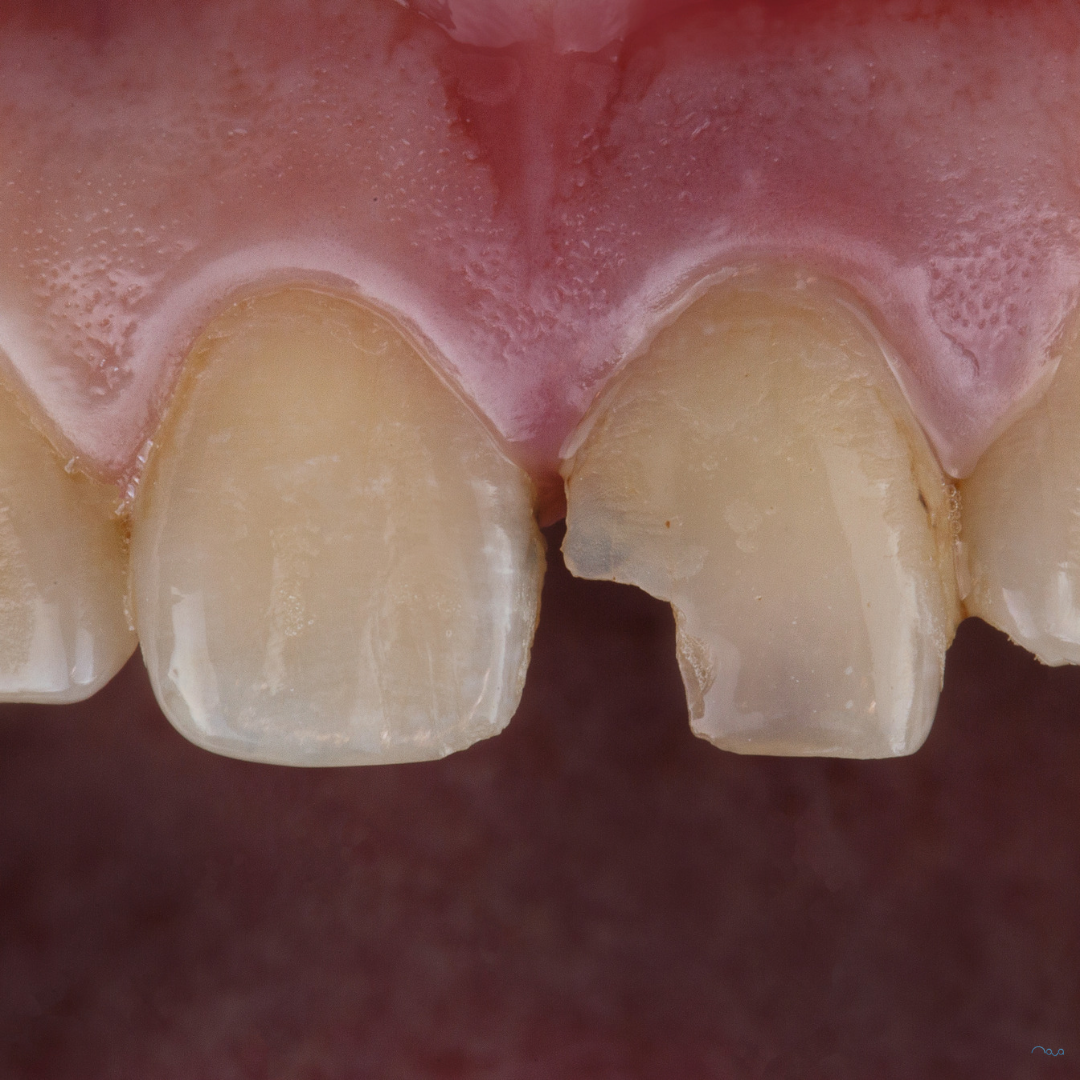


Just had porcelain veneers fitted? Dr Jafri explains what's normal in the first few days, how to clean them, night guards, and what to do if one chips.