Why Your Gums Hurt: Common Causes & When to See a Dentist
Gum pain is one of those things that’s easy to brush off at first — maybe it’s from brushing too hard, or food stuck between your teeth. But if soreness, tenderness, or bleeding keep showing up, your mouth is trying to tell you something.
Gum discomfort can come from many causes, ranging from mild irritation to signs of early gum disease. Understanding what’s behind the pain is the first step to stopping it — and protecting your teeth long term.
The most common cause: gum inflammation
The most frequent reason for sore gums is gum disease, also known as gingivitis (early stage) or periodontitis (advanced stage).
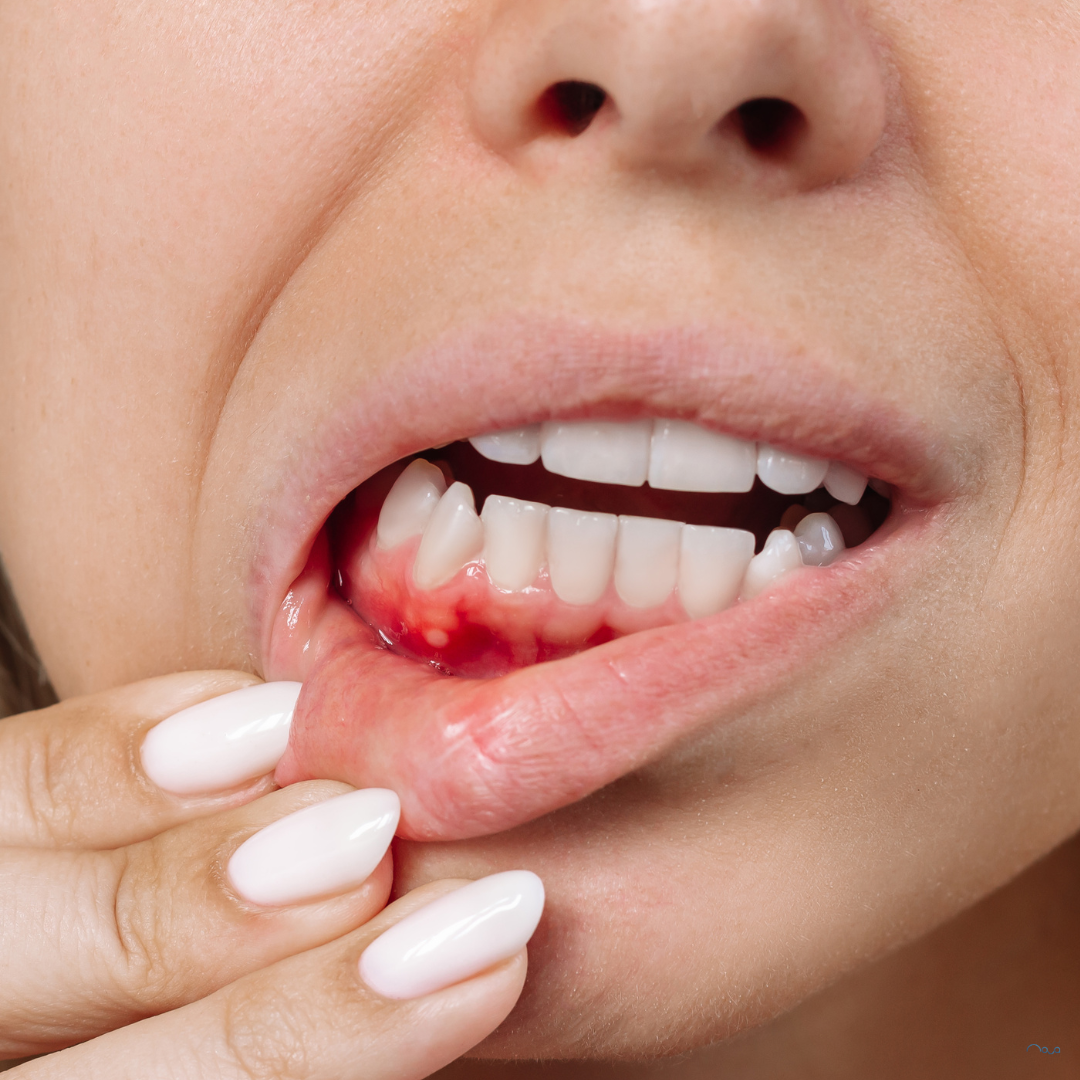
In gingivitis, plaque — a sticky film of bacteria — builds up along the gumline. The bacteria release toxins that irritate the gums, causing them to become red, puffy, and bleed easily when brushing or flossing.
At this stage, it’s often painless or just mildly tender — which is why many people don’t notice it until it worsens. Left untreated, it can progress to periodontitis, where the infection reaches deeper layers, damaging the bone that supports your teeth. That’s when gum pain becomes more noticeable, often alongside:
Bleeding or swollen gums
Receding gum lines
Bad breath that won’t go away
Teeth that start to feel loose or shift slightly
In advanced cases, infection can lead to abscesses, causing throbbing pain, tooth sensitivity, or discomfort when chewing.
Other causes of gum pain
While gum disease is the most common cause, it’s not the only one. Here are other possible reasons your gums might hurt:
1. Brushing or flossing too aggressively
Brushing harder doesn’t mean brushing better. Using a hard-bristled toothbrush or pressing too firmly can wear away gum tissue and cause soreness. Always use a soft brush and gentle circular motions.
2. Ulcers or canker sores
These small, round, painful spots can form on the gums or inside cheeks. They often appear after stress, irritation, or minor injury and usually heal on their own within 1–2 weeks.
3. Ill-fitting dentures or braces
Dental appliances that rub against the gums can cause persistent soreness or even ulcers. Your dentist can adjust them for a more comfortable fit.
4. Hormonal changes
Pregnancy, menopause, or certain medications can make gums more sensitive and prone to inflammation. If this sounds familiar, it’s worth mentioning to your dentist so they can tailor your care plan.
5. Vitamin deficiencies
Low levels of vitamin C (linked to gum health) or vitamin D can make gums more likely to swell, bleed, or become painful.
6. Smoking or vaping
Both habits dry the mouth, reduce blood flow to gums, and mask the early signs of gum disease — meaning damage can build silently before pain starts.
Home care and what can help
If your gums feel sore but the pain is mild, a few simple steps can help ease irritation and support healing:
Brush gently but consistently — twice a day with fluoride toothpaste.
Floss daily to remove plaque your brush can’t reach.
Rinse with warm salt water (1 tsp salt in a glass of water) to reduce bacteria and soothe tissues.
Stay hydrated, as saliva helps your gums stay protected and balanced.
Avoid alcohol-based mouthwashes, which can dry or sting irritated gums.
These measures can relieve symptoms if irritation is minor or short-term — but if pain persists for more than a few days, or you notice swelling, bleeding, or pus, it’s time to get checked.
When to see a dentist
Persistent gum pain is your body’s way of signalling that something isn’t right.
You should book an appointment if you notice:
Pain lasting longer than a week
Gums that bleed every time you brush or floss
A bitter taste, swelling, or pus
Teeth that feel loose or a change in how they bite together
Your dentist can identify whether the issue is gum disease, injury, or something more complex — and guide you on treatment, from professional cleaning to targeted therapy for infection.
Bottom line
Mild gum tenderness can happen to anyone, but ongoing pain or bleeding shouldn’t be ignored. Healthy gums are firm, pink, and painless — so when they hurt, they’re telling you something needs attention.
Whether it’s improving your cleaning routine or addressing early gum disease before it worsens, listening to those warning signs is the best way to keep your gums — and your teeth — healthy for life.