Smoking vs Vaping: Which Is Worse for Your Teeth and Gums?
When it comes to our mouths, many people assume that vaping must be “safer” than smoking. After all — no tar, fewer smells, maybe fewer chemicals, right?
But if you care about your teeth and gums, the truth is more complicated. Both smoking and vaping can seriously harm oral health, and the difference isn’t always as large as people think.
This guide looks at how smoking and vaping stack up, what we know so far, and what you can do to protect your smile if you smoke, vape — or want to quit.
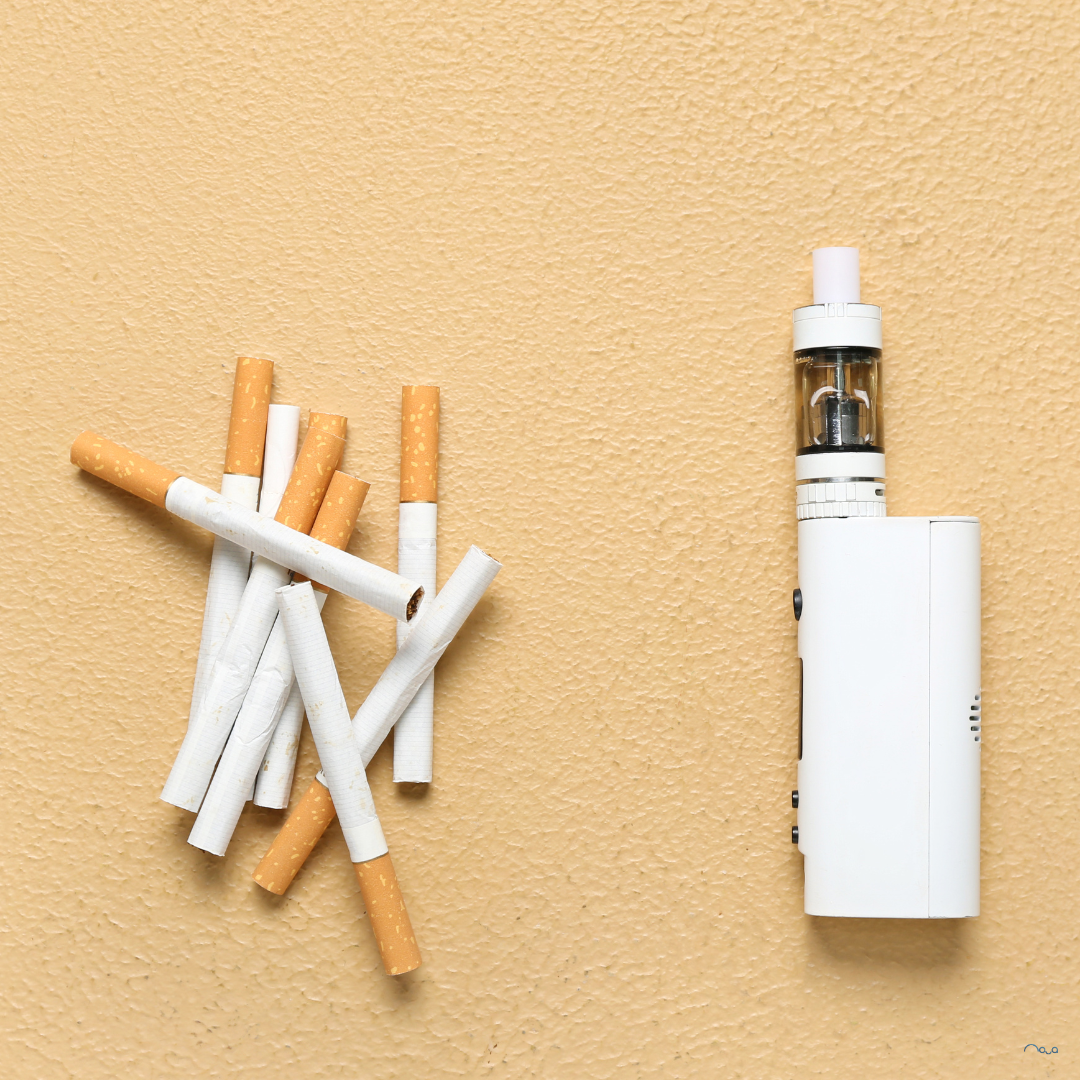
Smoking: The known heavy hitter
Tobacco smoking remains one of the most damaging habits for oral health. It’s firmly linked to:
Gum disease and gum recession — smokers are far more likely to lose gum tissue and bone supporting their teeth.
Tooth staining and discolouration — tar and nicotine from smoke settle on enamel and around gum lines, leaving a yellow-brown or darker cast that’s hard to remove.
Increased risk of decay, cavities, and tooth loss — smoking affects saliva flow, decreases healing capacity, and compromises gum health, making teeth more vulnerable.
Poor healing after dental procedures — smokers often have slower recovery, higher risk of infections, dry socket after extraction, and complications if having implants or gum surgery done.
A significantly increased risk of oral cancers (lips, tongue, gums, throat, cheeks) associated with long-term tobacco use.
In short — smoking damages every layer of oral health: enamel, gums, bone, and overall healing. The toxic chemicals in tobacco smoke wreak havoc on saliva, blood flow, and the delicate tissues of the mouth.
Vaping: The “less-bad” option — but still risky
Vaping is often sold as a safer alternative to smoking, and compared to tobacco smoke, it can involve fewer toxins and no tar. But that doesn’t make it harmless.
Here’s what we know about vaping’s impact on oral health so far:
• Dry mouth & reduced saliva
Many e-liquid ingredients — including nicotine — reduce saliva production and dry out the mouth. Saliva is your mouth’s natural defender: it washes away food debris, neutralises acids, and helps protect enamel. Without enough saliva, the environment becomes ideal for bacteria to flourish.
Dry mouth alone increases the risk of cavities, enamel erosion, and gum disease — especially over time.
• Gum irritation, inflammation, and bone risk
Even though vaping doesn’t involve tar, nicotine and other chemicals in aerosol can constrict blood vessels — reducing oxygen and nutrient flow to gum tissues. That weakens the gum’s ability to heal and defend against bacteria, increasing the risk of gingivitis, gum shrinkage and potentially periodontitis down the line.
There’s growing evidence that vapers show higher levels of plaque and gum inflammation than non-smokers — and worse responses to gum treatments.
• Tooth decay, enamel erosion, possible sensitivity
Some studies suggest a link between vaping and increased risk of cavities and enamel weakening, especially when dry mouth and poor hygiene are involved.
In addition, acidic flavourings in e-liquids may wear away enamel over repeated exposure — gradually making teeth more sensitive or prone to wear.
• Discolouration & bad breath
Vaping doesn’t produce tar like cigarettes, so the heavy staining may be less obvious — but nicotine is still present, and staining can still occur. Flavourings and reduced saliva contribute to dullness.
Dry mouth and oral bacteria imbalance also increase odds of bad breath (halitosis).
• Healing complications after treatments
If you need dental surgery, implants, or extractions — vaping, like smoking, impairs healing. Lower blood flow and reduced immunity in gums = delayed recovery, higher chance of infection, dry socket, and long-term complications.
So… is vaping better than smoking — or just a different set of risks?
Yes, vaping appears to be less harmful than smoking — especially because it avoids tar and some of the carcinogens found in tobacco smoke.
But “less harmful” doesn’t mean “safe.” Vaping still carries real, proven risks to gum health, enamel integrity, saliva flow, healing, and long-term oral stability. In some ways, it creates a less obvious but still dangerous pattern of damage — one that’s harder to spot until issues have progressed.
If you care about your oral health, the safest choice remains: quit smoking or vaping entirely.
If you’re using vaping as a quitting aid — that’s a valid decision. But it’s important to treat it as a step — not a final destination. In that case, extra vigilance with oral hygiene, regular check-ups, and honest monitoring of gum & tooth health becomes especially important.
Practical Tips If You Smoke or Vape and Want to Protect Your Smile
If quitting isn’t on the cards (yet), or you’re currently vaping as a stop-smoking tool, these measures can help reduce damage:
Stay hydrated — combat dry mouth by sipping water often.
Maintain excellent oral hygiene — brush twice daily, floss or use interdental cleaning, and consider mouthwash.
Visit the dentist regularly — ideally more often than non-smokers/vapers, especially for gum checks and hygiene.
Avoid sugary or highly acidic drinks (especially when vaping) — they compound enamel wear and decay risk.
Consider quitting — even reducing frequency can help.
If you’d like an impartial, honest review of your oral health risks while vaping or smoking — or you want a second opinion on gum/teeth condition — you can upload photos to Nova and get feedback from a dentist. No judgment, no pressure, just clarity.
Final word
Smoking is still one of the worst things you can do for your teeth and gums. Vaping may seem milder — but it’s not harmless.
Both habits increase your risk of decay, gum disease, poor healing, enamel problems, and in smoking’s case — tooth staining and oral cancer.
If you care about keeping your smile healthy and long-lasting, the best way is to quit or reduce — and if you continue vaping, treat your oral hygiene and dental check-ups like you would with smoking: serious, consistent, and with full attention.
If you ever want guidance, an assessment, or simply honest advice — that’s what Nova is here for.