Best Toothpaste for Sensitive Teeth: What Actually Works?
Medically reviewed by Dr Zaeem Jafri on the 27th March 2026If hot tea, cold drinks, or even brushing makes you wince, you’re not alone. Tooth sensitivity affects millions of adults across the UK, but you need not suffer in silence. A simple and quick fix is to find the right toothpaste, which can make a noticeable difference within weeks.
But here’s the catch: not every “sensitive” toothpaste actually works. In a market full of “miracle” products that claim to do all manner of wonderful things, not all products can help you with your specific needs.
Here, we break down what ingredients matter, which UK products are worth buying, and how to choose the best toothpaste for sensitive teeth based on real evidence, not marketing claims.
How Have We Tested These Toothpastes?
The toothpastes featured on this page have all been tested by Dr Zaeem Jafri, our founder and expert dentist. And are a result of personal opinion.
None of the toothpastes featured on this page are going to be bad for your teeth and gums, but they will all have individual characteristics that suit certain people, and our goal is to help you understand what might be right for you.
Key features we have considered
Cost
Key Ingredients
Flavour
What Causes Sensitive Teeth?
Tooth sensitivity (also known as dentine hypersensitivity) happens when enamel wears down or gums recede, exposing the dentine underneath.
That dentine contains tiny channels leading to the nerve, so when you eat or drink something hot, cold, sweet, or acidic, you feel it instantly. It’s a sharp pain you feel when moving food or drink around that tooth and can cause long-term irritation and lead to further dental issues.
What triggers this erosion? Long-term habits that break down the enamel, like the below:
Acidic diets (fruit juices, wine, fizzy drinks)
Overbrushing or using hard-bristled toothbrushes
Teeth grinding
Whitening treatments
Gum recession with age
What to Look for in the Best Toothpaste for Sensitive Teeth
As mentioned, there are many brands and products claiming to claim to magically cure your sensitive teeth, but there are four key ingredients you need to pay attention to to get true results.
Potassium Nitrate (Nerve Protection)
This ingredient works by calming the nerve inside your tooth, reducing pain signals over time.
Best for: General, ongoing sensitivity
Found in: Many daily-use sensitive toothpastes
Stannous Fluoride (Advanced Protection)
A favourite among UK dentists, this ingredient:
Blocks exposed dentine tubules
Strengthens enamel
Helps improve gum health
Best for: Sensitivity + gum issues
Fluoride (Essential in the UK)
Remineralise enamel
Prevent decay
Reduce long-term sensitivity
Hydroxyapatite (Trending Alternative)
A newer, “natural” option that mimics tooth enamel and helps repair microscopic damage.
Best for: Those avoiding fluoride (with dentist advice)
Best Toothpastes for Sensitive Teeth in the UK
Sensodyne Pronamel Daily Protection Toothpaste
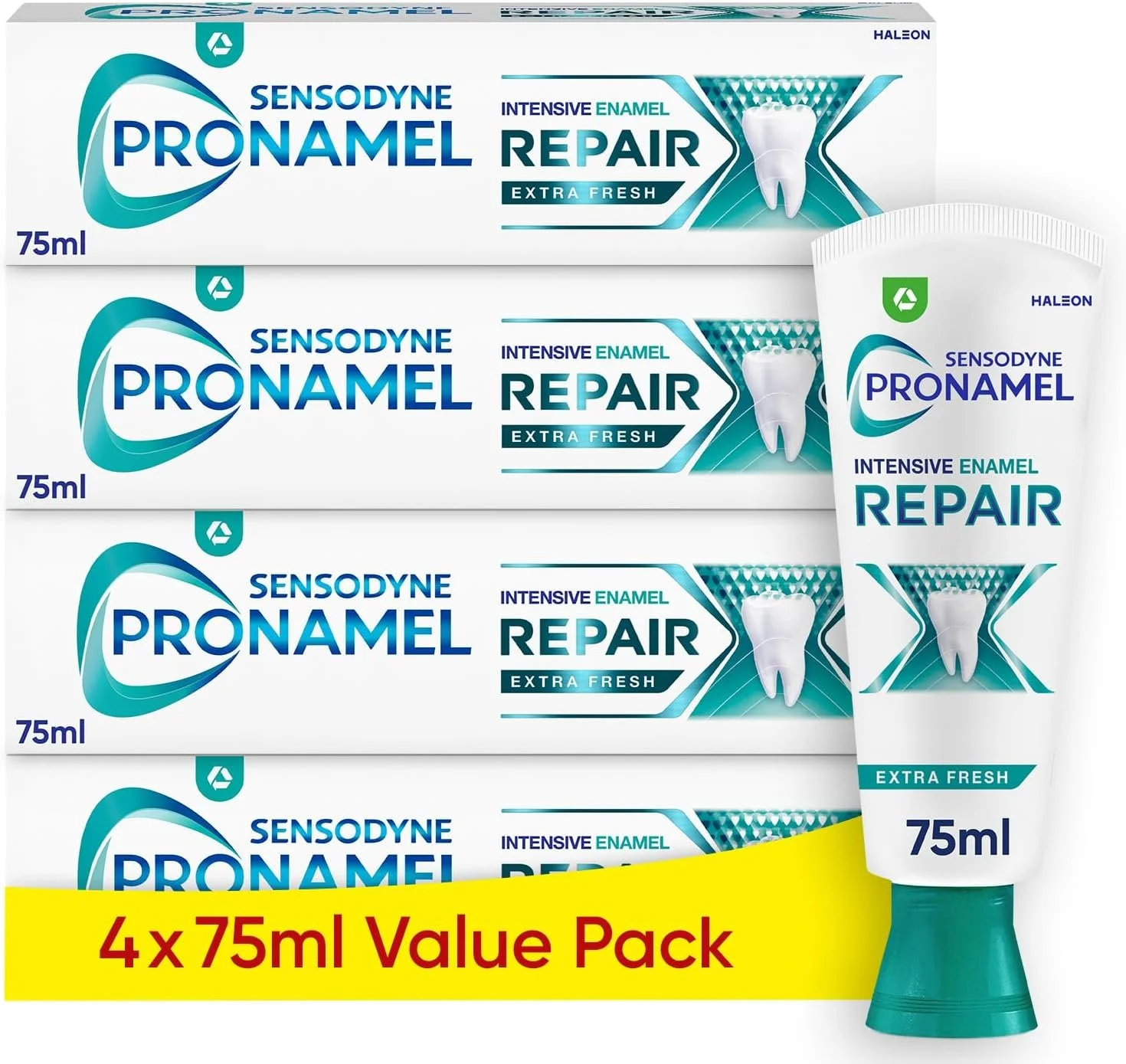
A staple in UK households and for good reason. It’s an affordable solution to sensitive teeth, packed full of key ingredients to help repair the problem. It’s also in a minty, light flavour.
Strengthens enamel against acid erosion
Contains potassium nitrate + fluoride
Low abrasion (gentle on enamel)
Best for: Everyday sensitivity caused by diet
Colgate Sensitive Instant Relief Repair Toothpaste
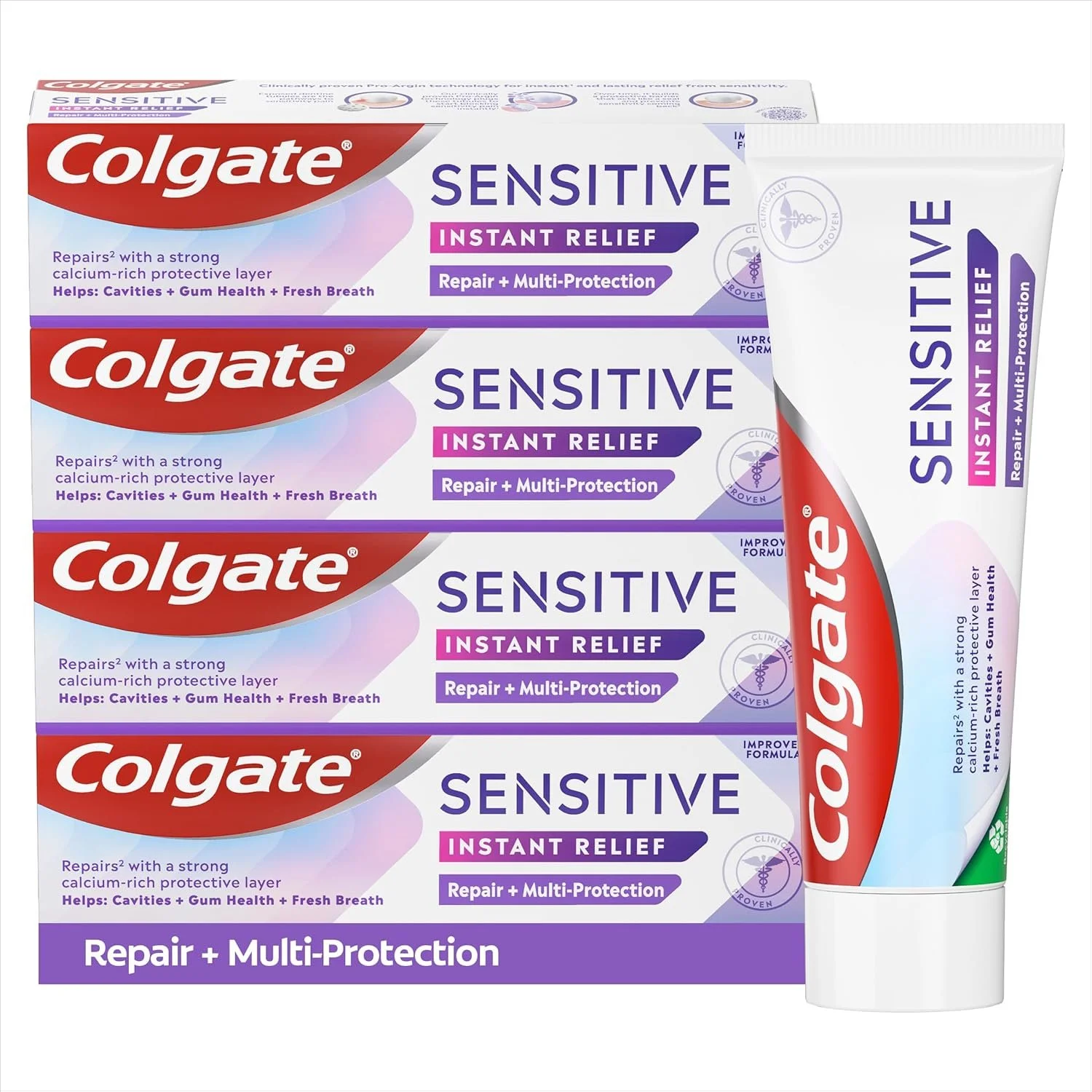
One of the fastest-acting options on the market. Colgate is well known as a househould toothpaste brand, but this fast-acting option is great value and directly targets sensitive teeth.
Uses arginine technology to block pain pathways
Provides targeted relief when applied directly
Budget-friendly and easy to find
Best for: Quick relief and value
Hydroxyapatite Toothpastes for Enamel Protection
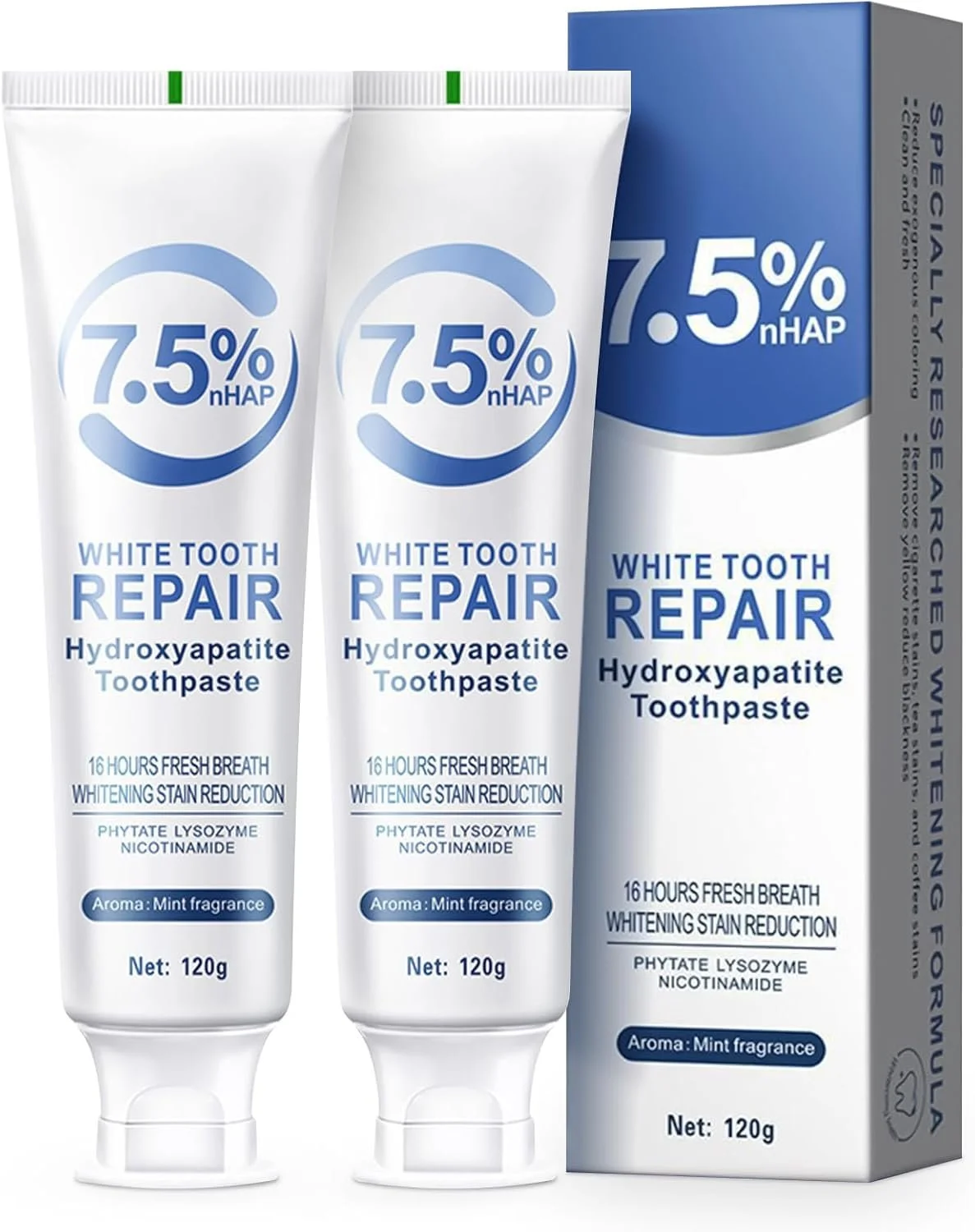
Infused with the power of hydroxyapatite, a mineral known for its enamel-restoring properties, this toothpaste gets to work quickly, reducing inflammation, repairing the enamel and providing long-lasting protection long after you’re done brushing.
Contains stannous fluoride
Helps reduce gum inflammation
Long-lasting protection
Best for: Sensitivity linked to gum problems
Zendium Sensitive Toothpaste
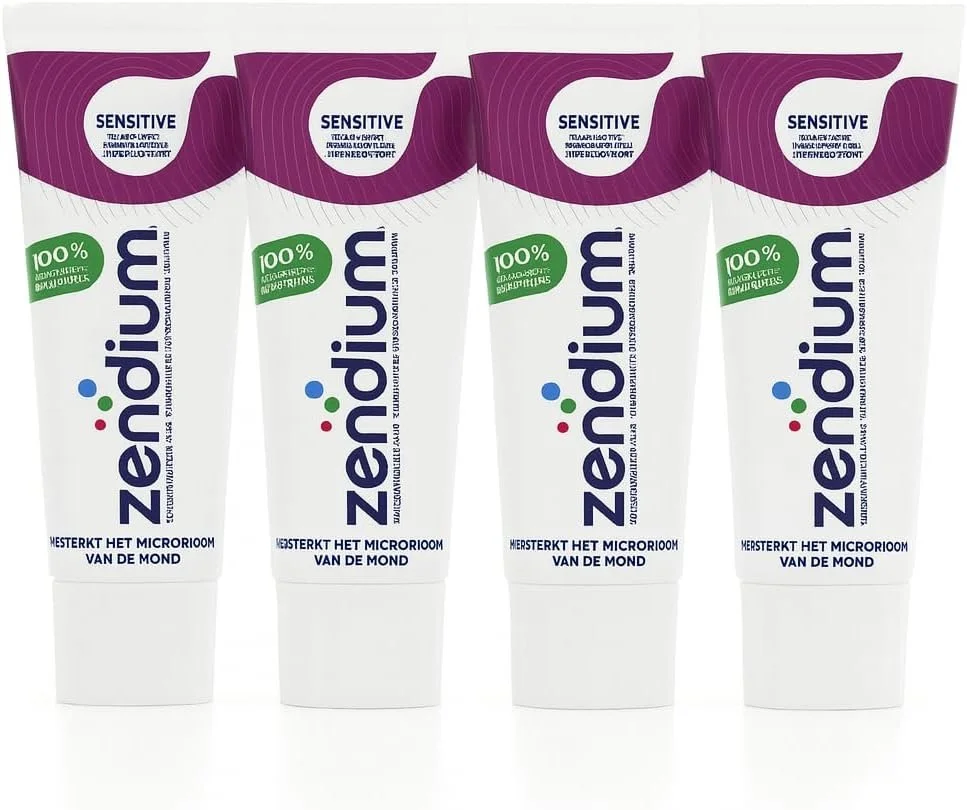
A gentler, SLS-free option gaining popularity in the UK, Zendium has a prebiotic benefit; it is clinically proven to boost good bacteria* that protect the mouth naturally and reduce harmful bacteria responsible for dental problems
Supports the mouth’s natural microbiome
Mild taste (great if strong mint irritates you)
Suitable for sensitive mouths
Best for: People prone to irritation or ulcers
Do Sensitive Toothpastes Really Work?
Yes, but the big point we need to make here is that it only works with consistent use.
Clinical studies show that ingredients like potassium nitrate and stannous fluoride can significantly reduce sensitivity when used twice daily over several weeks. Maintaining a good routine alongside your regular dental care and have a dramatic effect on any sore, sensitive teeth you’re suffering from.
However, results depend on:
The cause of your sensitivity
Your brushing technique
How consistently you use the product
If you’re concerned with the discomfort you’re experiencing or you’ve been suffering for several weeks, we recommend going to your dentist for more dedicated guidance.
How Long Does Sensitive Toothpaste Take To Work?
As mentioned, you need to stay consistent with your routine in order for the ingredients to work on rebuilding and protecting. Generally, with good technique, you should see results within 2-4 weeks of use.
How to Use Sensitive Toothpaste for Maximum Results
This is where many people go wrong.
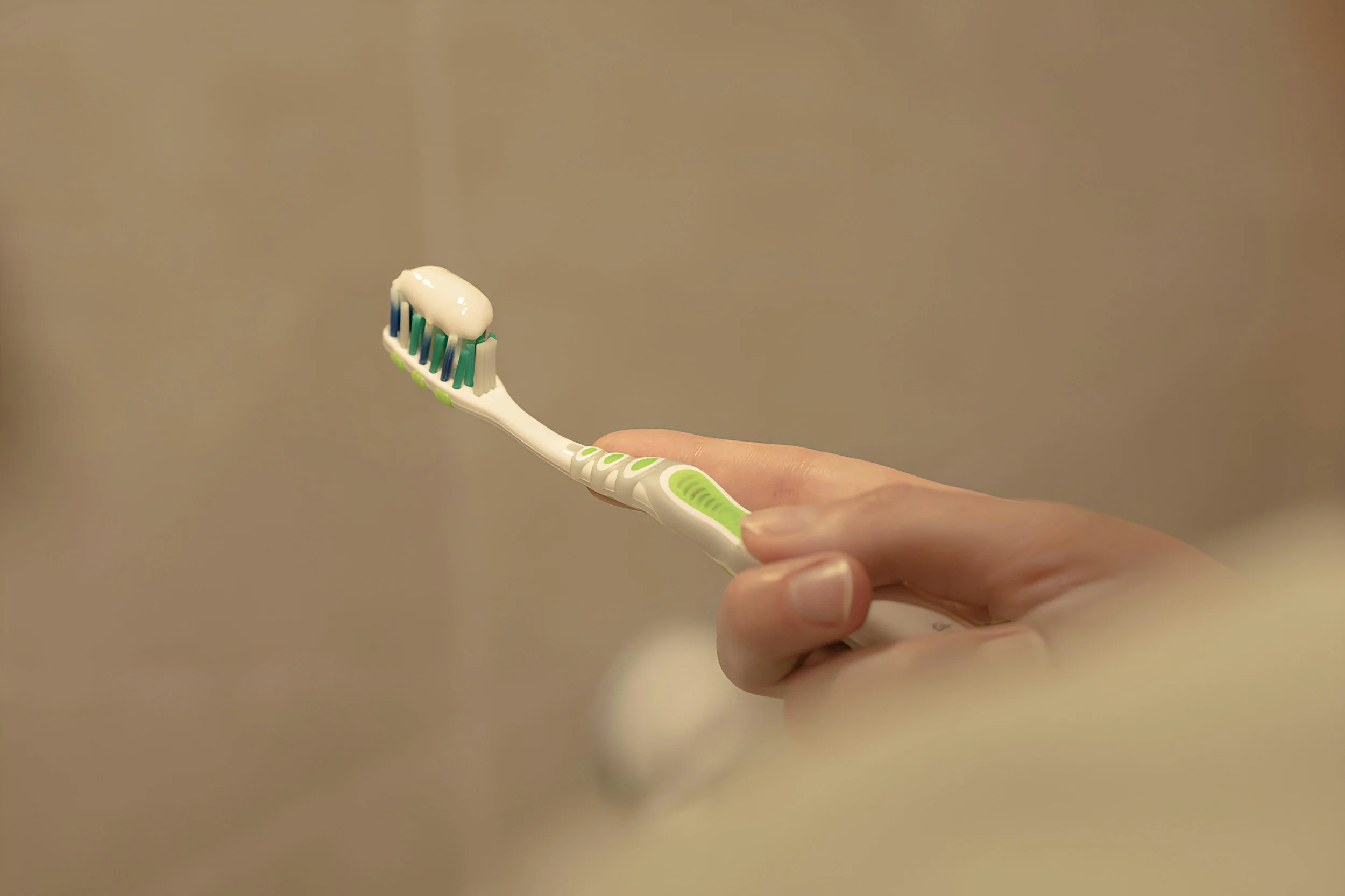
Brush twice daily with a soft-bristled toothbrush
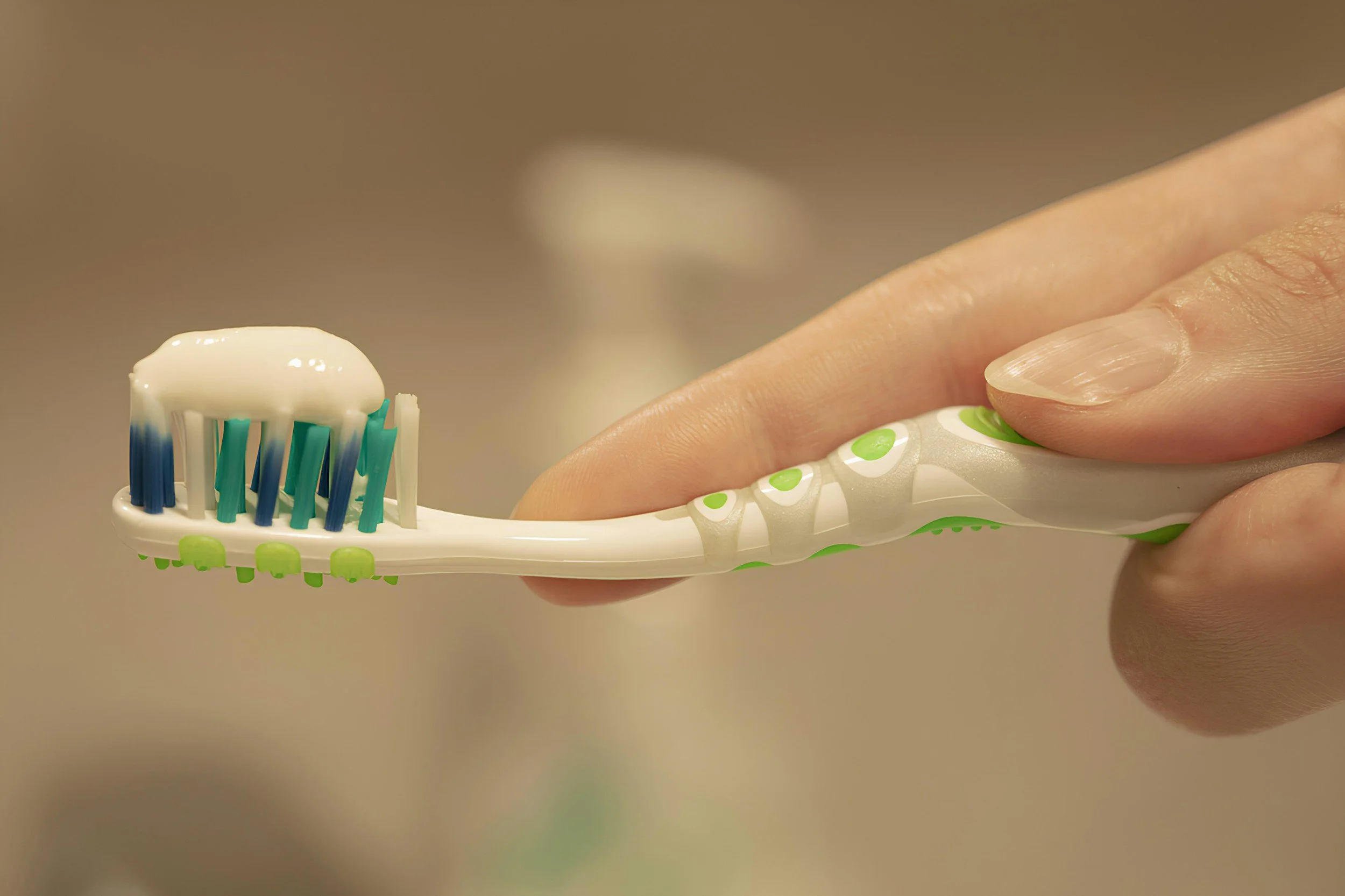
Use a pea-sized amount
Spit, don’t rinse (this keeps active ingredients working)
For targeted relief: apply a small amount directly to sensitive areas before bed
What to Avoid (If You Have Sensitive Teeth)
Not all toothpastes are your friend. There are some options out there that can actively hinder your goal of fixing sensitive teeth. Be cautious with:
Whitening toothpastes (often more abrasive)
Charcoal-based formulas
Highly foaming toothpastes (may contain SLS, which can irritate)
FAQs
Can Sensitive Toothpaste Repair Enamel?
It can strengthen and protect enamel, but it won’t fully rebuild severely worn enamel. You need to go and see a dentist if you need to have your teeth looked at for serious repairs, but toothpaste and help soothe issues, protect in the short-term and fix smaller issues/
Should I Use Sensitive Toothpaste Every Day?
Yes—daily use is essential for long-term results. Typically, this kind of toothpaste isn’t abrasive or harsh to your teeth, so use it often and keep a good routine. If you’re using this type of toothpaste long-term and still suffering from sensitive teeth, go and see your dentist to get proper help, as your problems could be due to larger concerns like tooth decay, gum disease or a cracked tooth.
Final Verdict: What Actually Works?
If you want real results, keep it simple:
Choose a toothpaste with proven active ingredients
Use it consistently for at least 2–4 weeks
Improve your brushing habits
The best toothpaste for sensitive teeth isn’t about hype—it’s about science, consistency, and choosing the right formula for your needs.
Sensitive teeth don’t have to ruin your morning coffee or favourite dessert. With the right toothpaste—and a bit of patience—you can get back to enjoying both, pain-free.
Most of these products are available for quick delivery on Amazon. If you use our links to buy them, we may earn a little money, but be assured that this article contains our honest opinions.