Can a Cracked Tooth Heal on Its Own?
Medically reviewed by Dr Zaeem Jafri
One of the questions we hear quite often is:
"I think I've cracked a tooth. Will it heal by itself?"
It's an understandable question to ask. Many parts of the body are surprisingly good at repairing themselves. Cuts heal, bruises fade and even broken bones can mend over time.
Teeth are a little different. Unfortunately, once a tooth has cracked, it can't repair itself in the same way other parts of the body can.
That doesn't necessarily mean you need major treatment, but it does mean it's worth understanding what's causing the symptoms and whether the crack needs attention.
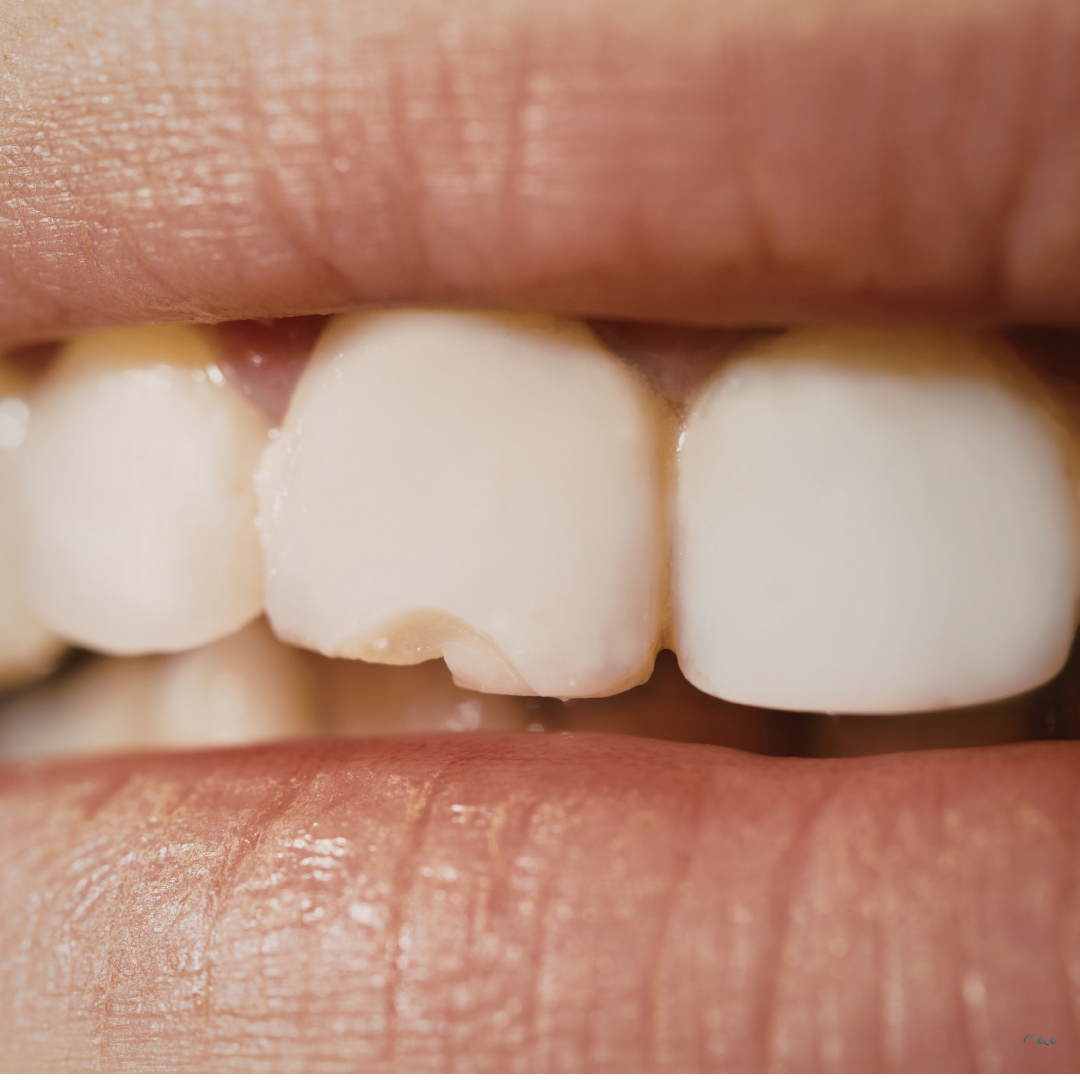
What does a cracked tooth feel like?
Cracks aren't always obvious. Sometimes there's no visible damage at all, but the tooth simply starts behaving differently.
Patients often describe:
a sharp pain when biting down
discomfort when releasing pressure after chewing
sensitivity to cold drinks
occasional pain that seems to come and go
a feeling that "something isn't quite right"
One of the frustrating things about cracked teeth is that symptoms can be inconsistent. A tooth might feel perfectly normal for most of the day, then suddenly become painful when you bite on a particular piece of food.
Can small cracks heal naturally?
No, the crack itself won't heal. The outer layer of the tooth, called enamel, doesn't have the ability to regenerate once it's been damaged. However, not every crack is a cause for concern.
Very small surface cracks, sometimes called craze lines, are extremely common. Many adults have them and may never experience any symptoms at all.
The important question isn't always whether a crack exists, but whether that crack is causing problems.
What causes a tooth to crack?
Teeth are incredibly strong, but they still experience a lot of force every day.
Common causes include:
teeth grinding or clenching
biting hard foods
chewing ice
accidents or trauma
large fillings that weaken the remaining tooth structure
natural wear over time
Sometimes patients can't identify a particular moment when the crack happened. Instead, the tooth gradually develops weakness until symptoms appear.
What happens if a cracked tooth is left untreated?
This depends entirely on the size and location of the crack. Some minor cracks remain stable for years. Others can gradually worsen, allowing bacteria to enter deeper parts of the tooth or causing larger pieces of the tooth to break away.
That's why it can be difficult to judge the seriousness of a crack at home. Two teeth can feel very similar but require very different approaches.
How do dentists treat cracked teeth?
Treatment depends on what's happening inside the tooth.
Options might include:
monitoring the tooth
bonding the tooth
placing a crown to strengthen it
root canal treatment if the nerve has been affected
In many cases, the aim is simply to prevent the crack from worsening and protect the remaining tooth structure.
When should you get a cracked tooth checked?
It's worth arranging an assessment if:
the tooth hurts when you bite down
sensitivity is becoming more noticeable
symptoms keep returning
you can see visible damage
part of the tooth has chipped away
The earlier a crack is identified, the more options there are for protecting the tooth.
Can you get advice online?
Often, yes.
At Nova, we regularly speak to patients who aren't sure whether what they're experiencing sounds like a cracked tooth or something else entirely.
Sometimes we can offer reassurance. Other times, we may recommend an examination and X-rays to understand exactly what's happening beneath the surface.
The bigger point
A cracked tooth doesn't always mean a dental emergency. But unlike a cut or a bruise, a tooth can't repair itself once a crack has formed.
If something suddenly feels different when you bite, chew or drink, it's usually worth paying attention to. Teeth are often quite good at letting us know when they need a little help.