What Counts as a Dental Emergency?
A sudden toothache never seems to happen at a sensible time. It’s usually late at night. Before a holiday. Over the weekend. Right before something important.
And the first thing most people do is reach for their phone and start searching:
“Do I need an emergency dentist?”
“What counts as a dental emergency?”
“Can I get dental advice online?”
A lot of the time, people aren’t just looking for treatment. They’re trying to work out whether they should be worried.
Because dental problems can feel surprisingly stressful when you don’t know what’s normal, what’s urgent, or whether something is likely to get worse overnight. Some things genuinely do need urgent care.
Others feel alarming but may be manageable for a short time until you can be seen properly. Knowing the difference can make things feel a lot less overwhelming.
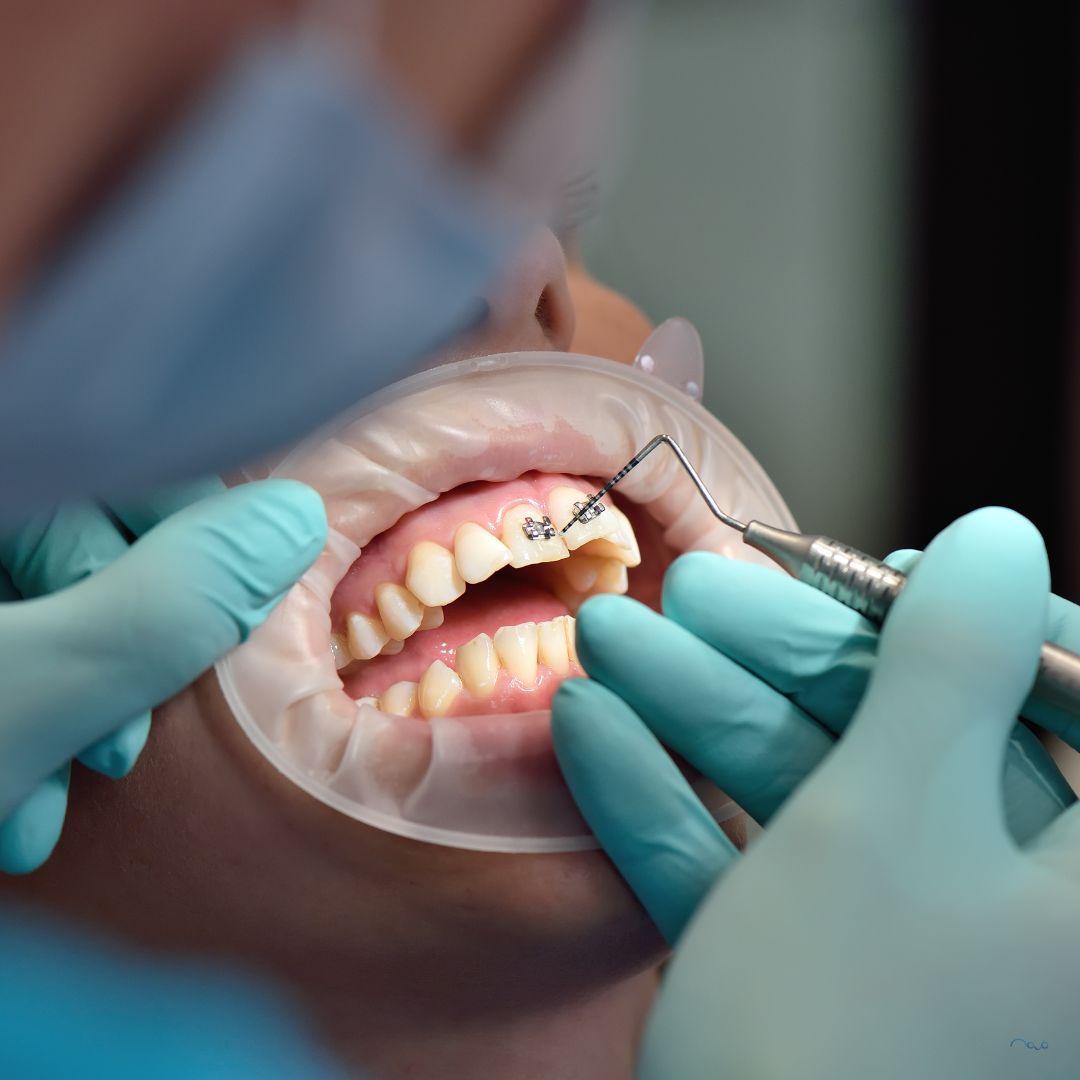
What actually counts as a dental emergency?
Usually, it’s anything involving:
significant pain
swelling
trauma
bleeding
or damage that could worsen quickly
Some of the most common situations we see are:
Severe toothache
Tooth pain can come on gradually or suddenly. Sometimes it’s sensitivity, and sometimes it’s a sign that the nerve inside the tooth is inflamed or infected.
If pain is keeping you awake, becoming constant, worsening with hot or cold, or spreading into the jaw, it’s worth getting checked.
Swelling in the face or gums
Swelling is one of the clearest signs that urgent dental care may be needed. Dental infections can sometimes spread surprisingly quickly.
If swelling is increasing, painful, affecting swallowing, or making you feel unwell, you should seek urgent dental attention as soon as possible.
Broken or chipped teeth
Not every chipped tooth is an emergency.
However, if:
the tooth is painful
sharp
bleeding
or the nerve is exposed
then it’s important to have it assessed promptly. The sooner a damaged tooth is seen, the more chance there may be of preserving it conservatively.
Knocked-out teeth
A knocked-out adult tooth should always be treated as urgent. In some situations, teeth can potentially be saved if treated quickly.
If possible:
hold the tooth by the crown, not the root
rinse gently if dirty
avoid scrubbing it
and seek emergency dental care immediately
Wisdom tooth pain and swelling
Wisdom teeth can sometimes cause:
swelling around the gum
pain when swallowing
difficulty opening the mouth
or infection beneath the gum flap
This is something we commonly advise patients about online before they attend.
What’s not always an emergency?
Some dental problems feel dramatic but aren’t necessarily urgent.
For example:
mild sensitivity
small chips with no pain
a lost filling that isn’t uncomfortable
occasional gum bleeding
mild intermittent toothache
That doesn’t mean they should be ignored, but not every dental issue needs immediate same-day treatment. Sometimes, people mainly need reassurance and a clear idea of what to do next.
Can you get emergency dental advice online?
In many cases, yes. One of the biggest things people want during a dental problem is simply to speak to someone who can help them understand what’s going on.
At Nova, we often help patients online by looking at:
photos
symptoms
swelling
broken teeth
wisdom tooth concerns
or treatment questions
Sometimes, we can help people understand that something probably can wait a day or two. In some instances we’ll advise that something needs seeing urgently. Online advice does (of course) have its limits. Some problems will inevitably need X-rays, clinical testing or a proper examination to diagnose fully.
But having access to dentist-led advice early on can often stop people panicking or sitting at home wondering whether something is serious.
Emergency dentistry is often about reassurance too
One thing people don’t always realise is that emergency dentistry isn’t just about fixing teeth.
A huge part of it is helping people feel calmer and more informed.
When you’re in pain, anxious, swollen, or haven’t slept properly, it’s very easy for things to spiral in your head.
Sometimes what people need most initially is a clear explanation:
what may be happening
whether it sounds serious
what they should do next
and whether they’re likely to be okay until they’re seen
That clarity can make a difficult situation feel far more manageable.
Emergency dental care at Nova Smiles
At Nova Smiles, we help patients with emergency dental concerns including:
toothache
swelling
broken teeth
wisdom tooth pain
dental infections
lost crowns or fillings
and trauma to the teeth
We also offer online emergency dental advice where appropriate, helping patients understand whether something may need urgent attention before attending.
When you should seek urgent help immediately
You should seek urgent dental or medical attention if you experience:
significant facial swelling
difficulty swallowing
difficulty breathing
trauma involving heavy bleeding
severe infection symptoms
or swelling spreading into the face or neck
These situations should never be ignored.
The bigger point
Most people searching for emergency dental advice aren’t trying to become dentists overnight. They’re usually trying to answer a very human question:
“Should I be worried?”
And often, having access to calm, sensible advice early on can make all the difference.