How Often Should You Replace Your Toothbrush? (Manual vs Electric)
Medically reviewed by Dr Zaeem Jafri BDS on the 20th February 2026
We talk a lot about teeth whitening, water flossers and the perfect two minute routine, but the most-used and most efficient tool in your bathroom cabinet is your toothbrush. Whether you’ve opted for an electric toothbrush or a standard manual one, ensuring that the brush itself is up to standard and is giving you the best brush available is vital to guaranteeing clean, healthy teeth.
A good quality brush can make all the difference between good dental hygiene and bad teeth, and it’s not just enough to buy a brush and leave it at that. Replacing the brush heads, or buying regular replacements, will ensure the bristles are prepared to stand up to your twice-daily task. So how often should you actually swap it out? Here is everything you need to know, minus the scare tactics and dentist jargon.
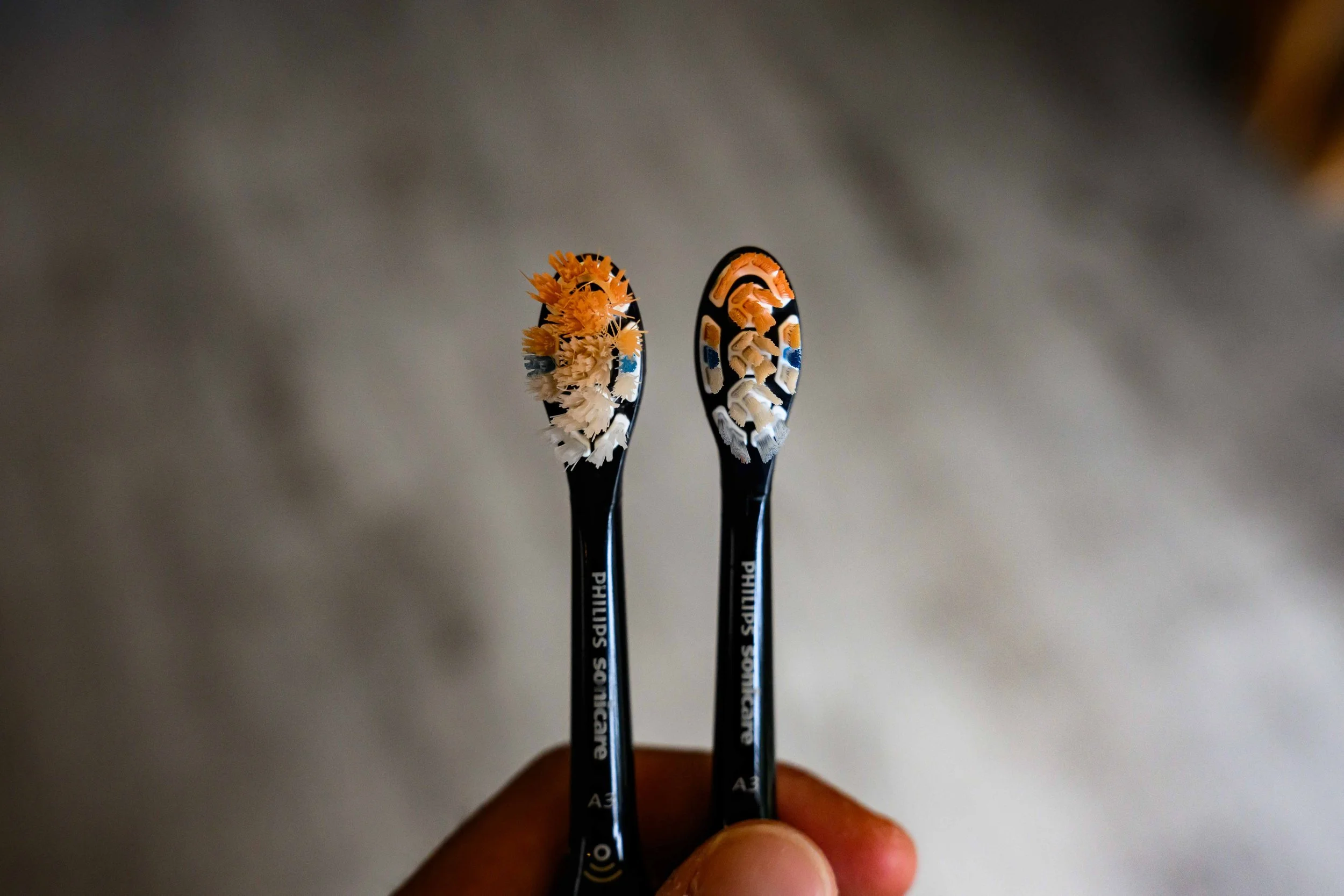
If your brush head looks like the one on the left, it’s definitely time to replace it!
The short answer
Yes you absolutely should be replacing your toothbrush, regardless of whether it’s electric or manual. Most dentists, including Oral-B’s top boffins, recommend replacing your toothbrush or brush head every three to four months. There aren’t any studies to make this a hard scientific fact, but generally speaking, the bristles will start to lose their effectiveness across this time, and most brush brands offer 4 or 8 replacement brushes as a bundle, meaning you’ve got enough to cover a whole year or two years with the bundle.
But as with most things in life, there are a few caveats. And they matter.
Why replacing your toothbrush is important
To put it simply, worn bristles do not clean properly. Over time, bristles splay and fray from you pressing them against your teeth every day. When that happens, they lose their ability to reach between teeth and along the gum line. The result is less effective plaque removal, even if you are brushing for the full two minutes.
There is also the hygiene factor. Toothbrushes live in bathrooms, which are humid and encourage bacteria. While rinsing your brush thoroughly after each use helps, the bristles still accumulate bacteria over time.
You are not likely to make yourself ill by using an old toothbrush, but you are reducing its effectiveness and also creating an environment that will create an ineffective brush.
How often should you replace a manual toothbrush?
For manual brushes, the three to four month rule is a solid benchmark. That said, some people will need to replace theirs sooner.
You should change your manual toothbrush if:
The bristles look frayed or flattened
The colour indicator bristles have faded
You have been ill with a cold, flu or stomach bug
It feels rough on your gums
It simply looks tired
If the bristles are already splayed after six weeks, that usually means you’re brushing too hard. Firm pressure does not mean cleaner teeth. In fact, it can damage enamel and irritate gums.
Many UK supermarkets stock affordable multipacks, so keeping a spare in the cupboard makes it easy to swap without overthinking it.
How often should you replace an electric toothbrush head?
Electric toothbrushes are a different story only in terms of the head, not the handle.
If you are using an electric model from Oral-B or Philips, you only need to replace the detachable brush head. The handle itself can last for years with proper care.
Most brands advise changing the brush head every three months. Some even build in visual reminders or offer subscription packages that remind you when you need to head out and buy some new ones. For example, certain Oral B heads have indicator bristles that fade from blue to white. Some Philips Sonicare models track usage and prompt you via an app when it is time to change.
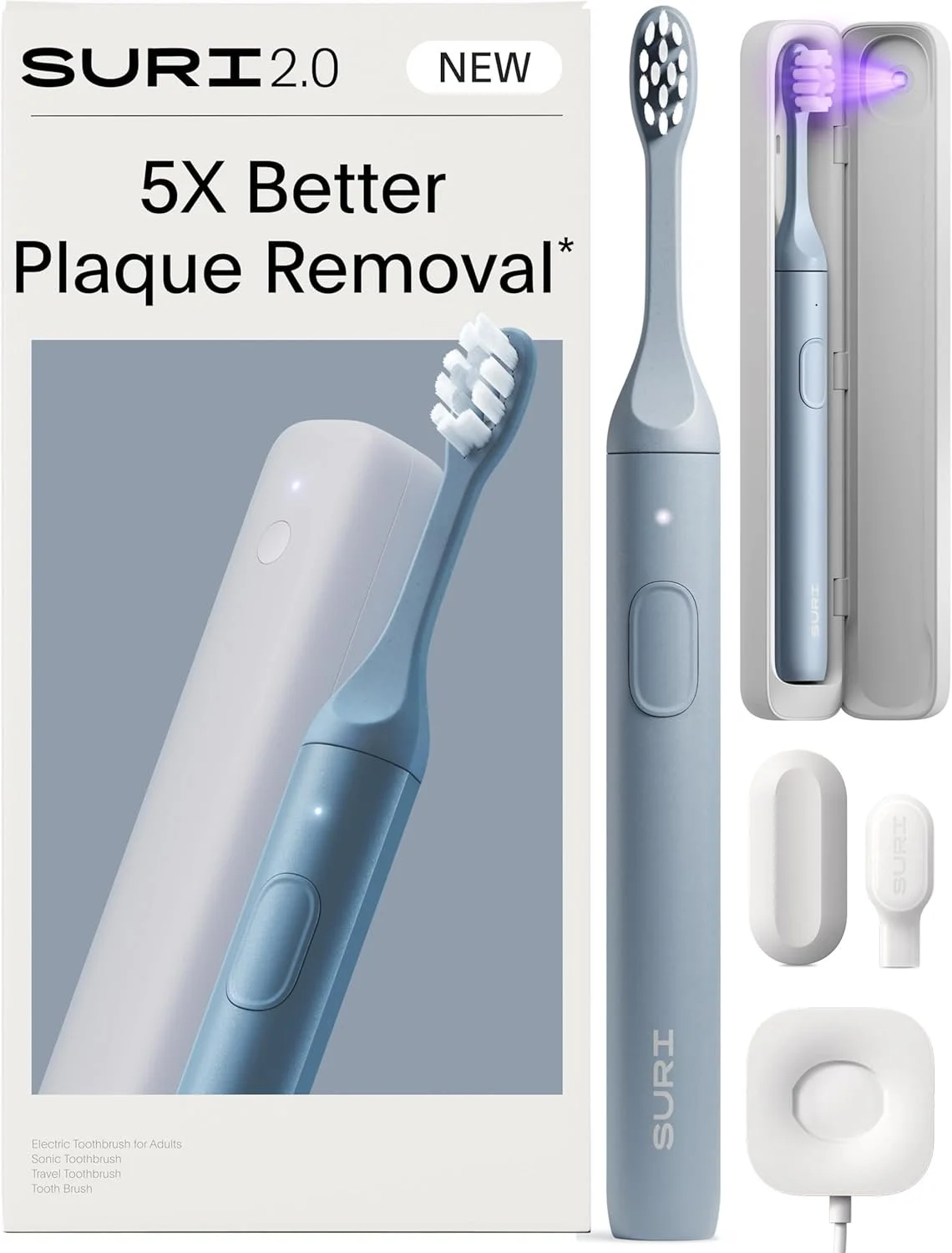
Suri has an excellent feature where the travel case uses UV light to eliminate bacteria while it’s charging
Sonic toothbrushes move at high speeds. That means the bristles can wear down just as quickly as manual ones, even if they look neat from a distance. If you notice they feel softer or less springy, it’s probably time.
If you’re using a more design-led sustainable option such as Suri, the same three month guidance applies. Many of these brands offer subscription services, which take the guesswork out of remembering.
Signs it’s time to replace your toothbrush sooner
Three months is a guideline, it’s not a rigid rule. As mentioned, no scientific study has captured the optimum rotation length, but it’s worth keeping up a good habit and rotating your brush head every few months if certain things happen.
Here are a few situations where you should change your brush or head immediately:
After illness - If you have had a cold, flu, sore throat or stomach bug, swap your toothbrush once you are better. It reduces the chance of reintroducing lingering bacteria. It’s not essential you rotate because of this, but simply a good idea to keep up hygiene.
If the bristles are visibly damaged - Frayed bristles are not just ineffective. They can be harsh on your gums.
If you notice bleeding - Occasional bleeding can be a sign of gum inflammation. If your brush is old and stiff, replacing it with a fresh soft-bristle option might help.
Does an expensive toothbrush last longer?
Not necessarily. A premium electric model from Philips with multiple brushing modes doesn’t mean you can keep the same head for six months. And a budget manual brush from the supermarket can be just as effective as long as you replace it regularly.
The real value comes from consistency and technique. Two minutes. Twice a day. Gentle pressure. Replace every three months.
The tool matters, but the routine matters more.
Manual vs electric: does one need replacing more often?
In short, no. Both manual and electric brush heads wear out at a similar rate. The difference lies in how you use them. Manual brushes rely entirely on your hand technique. If you scrub aggressively, you will wear the bristles out faster.
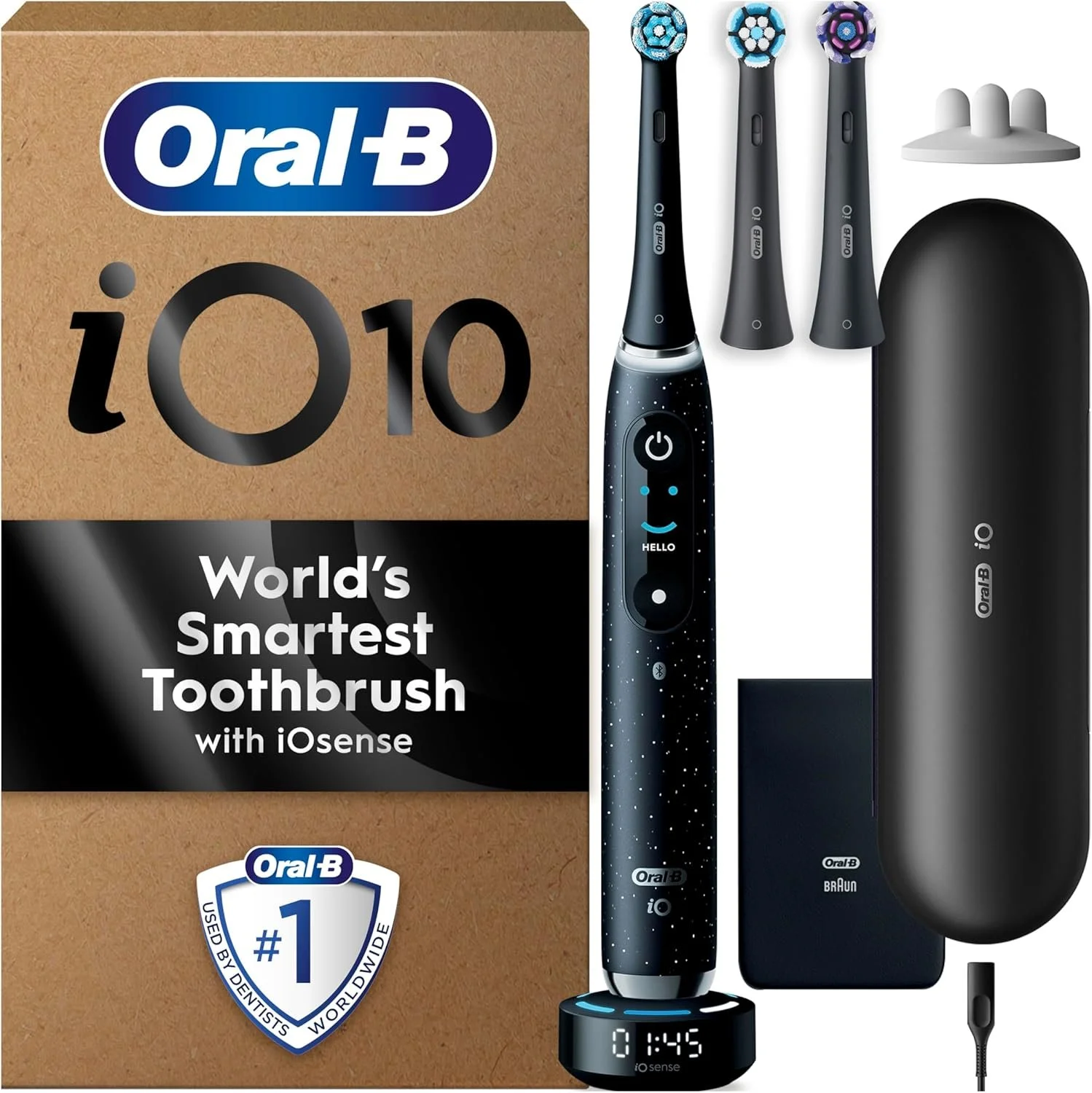
Top options, like the Oral-B iO10 have high-quality builds that help them last longer.
Electric brushes, particularly oscillating and sonic models from brands like Oral-B, do most of the work for you. You are meant to guide them gently from tooth to tooth. Pressing hard will not clean better. It will just flatten the bristles and potentially damage your gums.
Some electric models include pressure sensors that light up if you are brushing too hard. If yours flashes red regularly, take the hint. Your brush head and your enamel will thank you.
A note on sustainability
Replacing a toothbrush every three months can feel wasteful, especially if you are trying to reduce plastic at home. There are ways to make it more eco-conscious.
Some brands, including Suri, offer recyclable or compostable heads. Others run recycling schemes for used brush heads. It’s worth checking whether your preferred brand has a take-back programme.
If you’re using a manual brush, look for options made with bamboo handles or recycled plastics. Just remember that the bristles are usually still nylon, so they need proper disposal.
The key is balance. Good oral hygiene is non-negotiable. But small swaps can reduce the environmental impact.
How to make your toothbrush last as long as it should
You cannot extend a toothbrush’s life indefinitely. But you can help it stay in good condition for those three months.
Rinse thoroughly - After brushing, rinse the bristles under running water to remove toothpaste and debris.
Store it upright - Let it air dry. Avoid closed containers unless you are travelling. Moisture encourages bacterial growth.
Keep brushes separate - If you share a bathroom, make sure toothbrush heads are not touching.
Avoid covering the head - Toothbrush caps trap moisture. Save them for holidays.
Do not share - It sounds obvious. But even in long term relationships, sharing is not caring when it comes to toothbrushes.
What happens if you don’t replace your toothbrush?
In most cases, nothing dramatic, but over time, worn bristles become less effective at removing plaque. Plaque build up increases the risk of cavities and gum disease. You may notice your teeth feel less smooth after brushing, and your breath might not feel as fresh.
Think of it like replacing a razor blade. You can keep using it past its best, but the results will not be great.
A simple replacement schedule to follow
If remembering dates is not your strength, try one of these easy systems:
Change your brush at the start of each new season
Replace it when you change your smoke alarm batteries
Set a recurring reminder on your phone every three months
Sign up for a subscription service from brands like Oral-B or Suri
The easier you make it, the more likely you are to stick to it.
Choosing the right replacement
When it is time to buy a new toothbrush or head, keep it simple. Dentists generally recommend soft bristles. Medium and hard options can cause gum recession and enamel wear if used incorrectly.
If you have sensitive teeth, look for heads labelled gentle or sensitive. If you are focused on whitening, some electric brush heads are designed with polishing cups. Just remember that no brush head replaces professional cleaning.
And if you are unsure, ask your dentist or hygienist at your next appointment. They see your teeth up close. Their advice will be tailored to you.
The bottom line
Replace your toothbrush or electric brush head every three to four months. Sooner if it looks worn, feels rough or you have been ill.
It is a small habit. But it plays a big role in keeping your teeth clean and your gums healthy.
Manual or electric, luxury or budget, the principle is the same. Fresh bristles clean better. And better cleaning means fewer problems down the line.
Consider it one of the easiest upgrades you can make to your daily routine. Your smile will notice.