The Everyday Habits That Are Wearing Down Your Teeth
You probably give some thought to what causes cavities. Sugar, missed brushing sessions and perhaps the occasional forgotten floss are the usual suspects. But there's another type of dental damage that has very little to do with tooth decay, and it can develop even in people who take excellent care of their teeth.
Tooth wear is the gradual loss of the hard tissues that make up your teeth. It can happen through exposure to acid, repeated friction or the forces generated when your teeth grind against one another. A degree of wear is expected over a lifetime, but there are certain everyday habits that can accelerate the process.
The difficulty is that tooth wear rarely announces itself with a dramatic symptom. You might notice your teeth becoming more sensitive, their edges looking slightly transparent or your front teeth appearing shorter than they used to.
Here are seven habits worth paying attention to, including a few that might surprise you.
1. Sipping acidic drinks throughout the day
A glass of orange juice with breakfast is one thing. Nursing a bottle of flavoured water or a fizzy drink over several hours is quite another.
Every time your teeth are exposed to acid, minerals can be lost from the enamel surface. Saliva helps neutralise these acids and supports the natural process of remineralisation, but frequent exposure gives your mouth less opportunity to recover.
It’s important to remember that sugar isn't the only consideration. Diet fizzy drinks, fruit juices, lemon water and certain flavoured sparkling waters can all be acidic, even when they contain little or no sugar.
The frequency and duration of exposure matter. Drinking an acidic beverage with a meal is generally preferable to taking small sips throughout the afternoon, particularly if you're in the habit of swishing it around your mouth.
You don't necessarily have to give up every acidic drink you enjoy. Being more mindful of how often your teeth are exposed can make a meaningful difference.
2. Brushing too aggressively
There's a persistent idea that the harder you brush, the cleaner your teeth will become. Unfortunately, plaque doesn't require quite the level of enthusiasm that some people bring to the task.
Brushing with excessive pressure, particularly when combined with an abrasive toothpaste, can contribute to wear around the necks of teeth and irritation of the surrounding gums.
This is particularly relevant if you already have exposed root surfaces, which are less resistant to abrasion than enamel.
A soft-bristled toothbrush, gentle pressure and a thorough technique are generally more useful than vigorous scrubbing. If you use an electric toothbrush, a pressure sensor can help you recognise when you're pressing too hard; if your toothbrush bristles are splaying out long before the brush needs replacing, it's worth reconsidering your technique.
3. Grinding or clenching your teeth
Your teeth are designed to withstand the forces involved in chewing, but grinding and clenching can subject them to prolonged or excessive pressure.
Bruxism, the term used for teeth grinding or clenching, often happens during sleep, which means you may have no idea you're doing it.
Over time, the repeated contact can flatten the chewing surfaces, wear down the edges of front teeth and contribute to cracks or fractures. You may also experience jaw discomfort, headaches or sensitivity, although these symptoms aren't present in everyone.
If your dentist notices unusual wear patterns, they may ask about your sleep, jaw symptoms and daytime clenching habits. A custom-made night guard may be recommended to protect your teeth, depending on the circumstances.
4. Using abrasive whitening products
Not every product marketed as a way to achieve whiter teeth actually changes the underlying colour of your teeth.
Many whitening toothpastes work primarily by removing surface stains, and their formulations vary considerably. Products that rely on aggressive abrasion, including certain charcoal powders and polishing products, may increase the risk of wear when used excessively.
This doesn't mean all whitening toothpastes are harmful. The important distinction is between a properly formulated toothpaste designed for regular use and products or techniques that encourage you to scrub away stains mechanically.
If you're unhappy with the colour of your teeth, it's worth establishing whether you're dealing with surface staining or the natural colour of the tooth itself. Trying to remove the latter through increasingly abrasive cleaning isn't going to produce the result you're hoping for.
5. Brushing immediately after acidic food or drink
This one needs a little explanation because the advice is more nuanced than many online articles suggest.
Acidic foods and drinks can temporarily reduce the mineral content at the enamel surface. Brushing immediately afterwards may increase wear in people who are particularly susceptible to dental erosion, especially when brushing is vigorous.
For people already experiencing erosive tooth wear, a dentist may recommend allowing time for saliva to neutralise the acids before brushing.
However, current UK preventative dental guidance doesn't establish that everyone needs to wait a fixed period after every meal before cleaning their teeth.
The bigger priorities are brushing twice daily with fluoride toothpaste, avoiding excessive pressure and reducing frequent acid exposure. If you've just had something particularly acidic, rinsing with water is a sensible way to help clear the acid from your mouth.
6. Using your teeth as tools
Opening packaging, tearing off clothing tags or holding objects between your teeth might seem harmless, particularly when you've done it for years without incident.
But your teeth aren't designed for these kinds of forces.
Biting down on hard or awkwardly positioned objects can chip enamel, damage existing fillings or contribute to cracks. Unlike gradual erosion, this type of damage may happen in a single moment.
Teeth can be remarkably strong when they're used for their intended purpose, but strength doesn't make them indestructible. Reaching for a pair of scissors is considerably cheaper than repairing a fractured tooth.
7. Ignoring a persistently dry mouth
Saliva does far more than keep your mouth comfortable. It helps wash away food particles, neutralise acids and supply minerals that support the enamel surface.
When saliva production is reduced, teeth can become more vulnerable to acid erosion and decay.
Dry mouth can have several causes, including certain medications, dehydration and medical conditions. It may also be associated with mouth breathing, particularly overnight.
If you regularly wake with a very dry mouth or find yourself needing water throughout the day, it's worth mentioning this to your dentist. They can help investigate possible causes and recommend ways to protect your teeth.
How can you tell if your teeth are wearing down?
Tooth wear tends to develop gradually, making it difficult to recognise changes from one day to the next. By the time the differences become obvious in the mirror, some tooth structure may already have been lost.
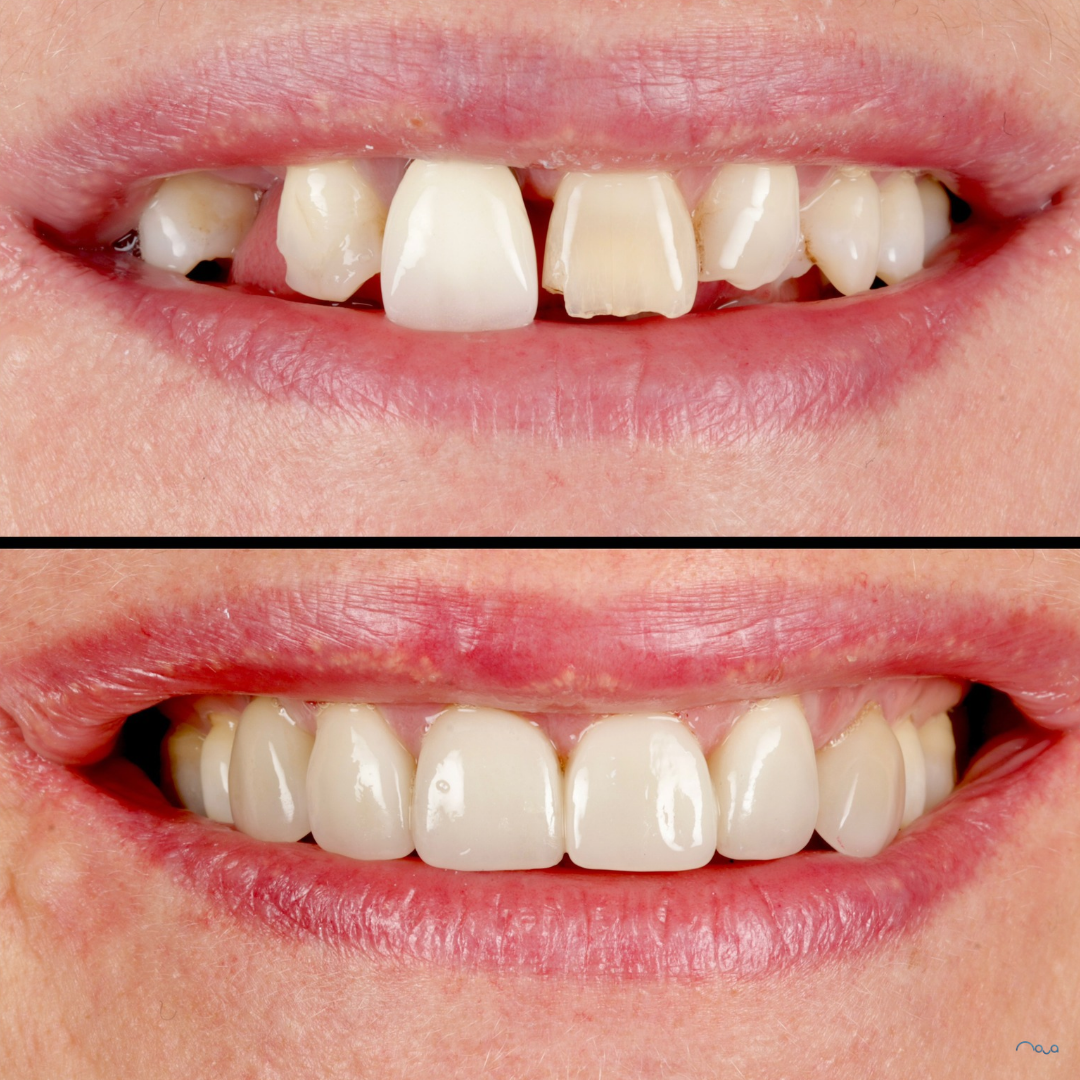
Signs worth looking out for include increased sensitivity to cold food and drinks, thinning or translucent edges on the front teeth, flattened chewing surfaces and small chips or changes in tooth shape. As enamel becomes thinner, the underlying dentine can also become more visible, making teeth appear yellower.
Not every change in the appearance of your teeth is caused by wear, and sensitivity can have several explanations. A dentist can examine the surfaces of your teeth, assess any changes over time and identify whether erosion, grinding or abrasion is contributing.
Can worn tooth enamel grow back?
Enamel has an impressive ability to withstand everyday use, but it has one important limitation: once the physical tooth structure has been lost, your body cannot grow it back.
Early mineral loss at the enamel surface can be repaired through remineralisation, supported by saliva and fluoride. That's different from replacing enamel that has already worn away.
Where wear is mild, the priority is usually to identify the cause and prevent further damage. More advanced wear may require treatment to restore damaged surfaces, improve comfort or protect weakened teeth. Options can include composite bonding, crowns or other restorations, depending on the extent and location of the damage.
Not every worn tooth needs restorative treatment. Monitoring and prevention can be the most appropriate approach when the wear is limited and stable.
Protecting your teeth doesn't have to be complicated
Most people don't need an elaborate collection of dental products to protect their enamel. Brushing twice daily with fluoride toothpaste, using a gentle technique and paying attention to acidic drinks and grinding habits are sensible places to start.
The important thing is recognising that healthy teeth aren't just about preventing cavities. The way you eat, drink, brush and use your teeth can affect how well they stand up to years of everyday use.
If you've noticed changes in the shape, colour or sensitivity of your teeth, you can send Dr Zaeem Jafri a photo and a few details through Nova Smiles' free online dental assessment. He can offer an initial opinion on what might be worth investigating, although assessing tooth wear properly usually requires an in-person examination.
Reviewed by Dr Zaeem Jafri BDS, Nova Smiles