Why Does My Tooth Hurt? A Dentist’s Guide to Toothache
Toothache can mean very different things to different people.
For one person, it’s a quick, sharp pain when they drink something cold. For someone else, it’s a dull ache that’s been there all day. It might hurt when you bite, wake you up at night, or disappear for a few days before coming back.
The way a tooth hurts can give useful clues about what might be causing it. Where the pain is, what triggers it and how long it lasts can all help a dentist narrow down what needs investigating.
This guide looks at some of the most common patterns of toothache, what can cause them, what you can do in the meantime and when you should see a dentist.
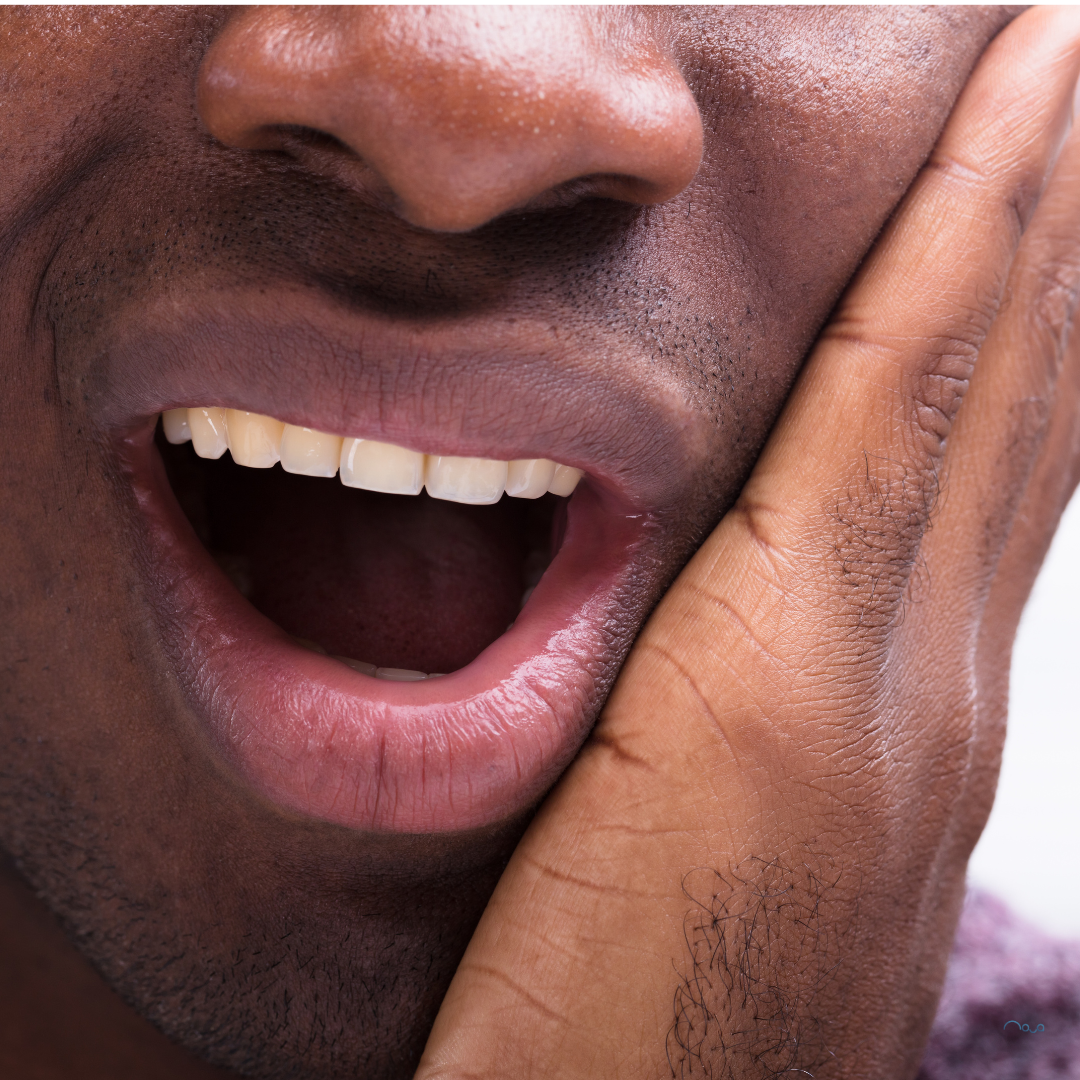
What causes toothache?
There isn’t one single cause of toothache. Tooth decay is an obvious possibility, but pain can also come from a cracked or damaged tooth, a loose or broken filling, gum disease, an infection around a wisdom tooth, an abscess, tooth grinding or sensitive teeth.
The tooth that hurts isn’t always necessarily the whole story. Dental pain can be difficult to pinpoint yourself, which is one reason dentists ask quite a few questions before deciding what needs investigating.
What does your toothache actually feel like?
The type of pain doesn’t give us a diagnosis on its own. Different dental problems can produce similar symptoms, so we need to combine what you’re feeling with an examination and, where necessary, X-rays.
But the pattern is useful.
A sharp pain when you drink something cold, a quick reaction to cold can happen when dentine, the layer underneath your enamel, becomes exposed. This can happen with gum recession or wear to the tooth, for example.
Decay and cracks can cause sensitivity too, so I’m also interested in whether this has always happened or whether it has suddenly started.
How long the pain lasts is another useful detail. A brief response that disappears when the cold is removed gives us different information from pain that continues afterwards.
Tooth pain when you bite down
If a particular tooth hurts when you chew, tell your dentist.
Pain on biting can have several possible causes, including decay, a crack, a problem with a filling or inflammation affecting the tooth or surrounding tissues. The NHS specifically includes pain when biting among the symptoms that warrant seeing a dentist when you have toothache.
Try to notice whether it hurts as you bite down, when you release your bite, or both. You don’t need to work out what that means yourself. It’s simply useful information to bring to your appointment.
A constant or throbbing toothache
Pain that appears without you eating, drinking or touching the tooth deserves attention, particularly if it is becoming more intense or interfering with sleep.
An infection or dental abscess is one possible cause of severe tooth or gum pain. Other signs of an abscess can include swelling, a bad taste in your mouth, sensitivity to hot or cold, difficulty chewing, swollen glands or a high temperature. A dental abscess needs urgent dental treatment and will not resolve on its own.
That doesn’t mean every throbbing tooth is an abscess. It does mean persistent or worsening pain is something I’d want properly assessed rather than repeatedly masked with painkillers.
Pain around the gum rather than the tooth
It isn’t always easy to tell whether pain is coming from a tooth or the gum around it.
Gum disease can cause discomfort, but we also see localised problems. Food may be repeatedly getting trapped between two teeth, for example, or the gum around a partially erupted wisdom tooth can become inflamed or infected.
If you can, tell your dentist exactly where you feel the discomfort and whether you’ve noticed bleeding, swelling, a bad taste or food continually catching in the same place.
Why does my tooth hurt when I eat something sweet?
Sensitivity to sweet foods can be associated with tooth decay, particularly if it is a new sensation or seems to come from one particular tooth. Tooth decay can also cause sensitivity to hot or cold food and drinks.
It isn’t something you can reliably diagnose by testing the tooth yourself, though. If a tooth has started reacting to things that never bothered it before, that change itself is worth mentioning.
Can you have toothache without a cavity?
Absolutely.
Tooth decay is only one possible explanation for dental pain. Cracked teeth, damaged fillings, gum problems, sensitivity, grinding and infections around partially erupted teeth can all cause toothache too.
Equally, you can have tooth decay without toothache. Decay often causes no symptoms in its earliest stages.
That’s one reason pain isn’t a particularly good measure of how healthy your teeth are.
Why can’t I tell which tooth is hurting?
This is more common than you might think.
People will occasionally come in convinced that one tooth is causing the problem, only for the examination to point us somewhere else.
That’s why we don’t diagnose toothache purely by asking you to point at the painful tooth. We look at the teeth and gums, ask about the pattern of pain and may carry out tests or take an X-ray depending on what we find.
You’re not expected to arrive knowing which tooth is responsible. Just describe what you’re experiencing as accurately as you can.
What if my toothache suddenly stops?
It’s tempting to assume that no pain means no problem.
Sometimes a minor episode of sensitivity does settle. But if you’ve had significant toothache and it suddenly disappears, I wouldn’t use that alone as proof that the underlying cause has gone away.
This is particularly important if you’ve also experienced swelling, a bad taste, fever or other signs of infection. Dental abscesses require treatment and do not go away on their own.
If you were already planning to have persistent or severe pain checked, I wouldn’t cancel the appointment simply because the tooth has gone quiet.
How long should I wait before seeing a dentist about toothache?
NHS guidance recommends seeing a dentist if toothache lasts for more than two days, doesn’t go away with painkillers, or occurs alongside a high temperature, pain when biting, red gums, a bad taste or swelling of the cheek or jaw.
But that doesn’t mean you need to deliberately sit with significant toothache for 48 hours before asking for help.
Severe dental or facial pain that is affecting your sleep or normal activities and isn’t controlled by appropriate pain relief can require urgent dental care. Persistent pain that temporarily responds to painkillers but isn’t going away can also warrant urgent advice.
If you’re unsure how urgently you need to be seen, contact your dentist or NHS 111.
When is toothache an emergency?
Most toothache needs a dentist, rather than A&E.
There are exceptions. Seek emergency medical help if severe swelling in your mouth, lips, throat or neck is making it difficult to breathe, or if you have serious facial or jaw injuries or uncontrollable heavy bleeding.
A suspected dental abscess also needs urgent dental treatment. If you cannot access an urgent dentist, NHS 111 can advise you where to get help.
Our online dental service at Nova can also be used to get issues diagnosed within 24 hours.
What can I do for toothache while I wait for an appointment?
The priority is getting the cause treated, but there are things you can do to make yourself more comfortable in the meantime.
The NHS advises that appropriate painkillers such as paracetamol or ibuprofen can help, although they aren’t suitable for everybody, so follow the packet instructions and ask a pharmacist if you’re unsure. You can also stick to softer foods, avoid chewing on the painful tooth and avoid very hot, cold or sugary foods and drinks if they aggravate it. Adults can try rinsing with warm salt water.
Pain relief is just that: pain relief. If the tooth needs dental treatment, taking the pain away temporarily doesn’t deal with the cause.
What should I tell my dentist about my toothache?
You don’t need to know any dental terminology.
In fact, “this tooth does something weird when I drink cold water” can be perfectly useful information.
Think about when you first noticed it. Is it one tooth or a general area? Is the pain sharp, dull or throbbing? What brings it on? Does it disappear immediately or hang around? Does biting affect it? Have you noticed swelling, bleeding, a bad taste or anything else that has changed?
That gives your dentist much more to work with than simply knowing that your tooth hurts.
Not sure what your toothache is telling you?
If you have toothache and aren’t sure what to do next, you can send me some details and photos through Nova for a free initial opinion.
Tell me where you think the pain is coming from, when it started, what sets it off and how long it lasts. A photograph can't show me everything happening inside a tooth, and I may recommend an examination or X-ray, but I can give you an initial view of what might need investigating and what I'd suggest doing next.