Philips Sonicare Series 1100 Review: The Best Electric Toothbrush Under £50 (2026)
Finding a genuinely good electric toothbrush under £50 can feel oddly difficult. Plenty look sleek on the shelf, but once you start using them, the problems appear quickly. Weak cleaning power, uncomfortable vibrations, poor battery life or replacement heads that cost nearly as much as the brush itself.
That is why I was pleasantly surprised by the Philips Sonicare 1100 Series. It is one of those products that quietly gets the basics right without trying too hard to impress you with flashy gimmicks. After several weeks of testing it morning and night, I came away thinking this might be one of the best entry level electric toothbrushes available in the UK right now.
It is simple, affordable and refreshingly easy to live with. More importantly, it actually makes your teeth feel properly clean.
This article contains affiliate links; however, all the opinions are my genuine thoughts after trialling the toothbrush both at home and when travelling - Owen Gough
Last Updated on 12th May 2026
Philips Sonicare 1100
The Sonicare 1100 sits right at the bottom of Philips’ roster of electric toothbrushes in price and features, but don’t let that fool you into thinking it’s not a great option for anyone looking to upgrade from a manual brush. A stripped back design that doesn’t boast of high-end techy features, it’s the perfect entry-point for anyone on a tight budget.
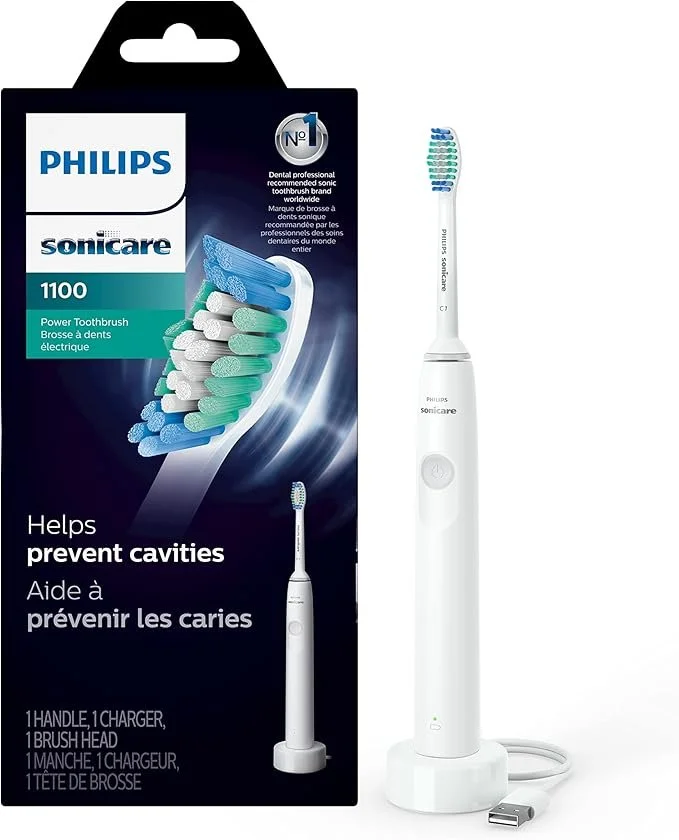
In Summary
There aren’t many quality electric toothbrushes for under £50, but the Philips Sonicare 1100 sits perfectly in the sweet-spot to take your dental hygiene to the next level without costing lots of money.
★★★★
Best for: A decent brush for well under £50
Key feature: Simple, effective cleaning action
Battery life: 14 days(real-world testing)
Pros
Very affordable
Stripped-back easy design
2-minute timer
Decent battery
Cons
Very basic
Long recharge time
One cleaning mode
Lack of pressure sensor is a shame
Who Reviewed This?
Reviewed by Dr Zaeem Jafri (GDC-registered dentist) & Owen (product reviewer for major UK publications).
We combine clinical dental expertise with real-world product testing. Every toothbrush we review is used daily in a home setting for a minimum of 3 weeks by Owen, who has tested hundreds of products for some of the biggest lifestyle and health magazines in the country. In his reviews, he’s looking out for cost, cleaning power, tech features and usability, and if this lines up with Dr Jafri’s clinical opinions.
How We Tested The Philips Sonicare 1100
We tested the Philips Sonicare 1100 over 3 weeks, brushing twice daily with a standard Colgate cleaning toothpaste.
We assessed:
Plaque removal
Gum comfort
Battery life
Noise levels
Ease of use
App usefulness
Design and Ergonomics
The first thing I noticed when unboxing the Philips Sonicare Series 1100 was how lightweight it felt. Some electric toothbrushes can feel chunky and overly engineered, but this one keeps things clean and minimal, with a simple idiot-proof design.
The handle has a slim profile with a subtle curve that sits comfortably in the hand. Even during longer brushing sessions, it never felt awkward or slippery. I tested it straight after using a much heavier premium toothbrush and honestly preferred the lighter feel of the Sonicare.
The matte finish also helps, avoiding the glossy plastic look that cheaper brushes often have. It feels simple but not cheap.
I especially liked the single button setup. You don’t need to flick through confusing modes, unnecessary LED displays or worry about AI smartphone integration like in the high-end iO series from Oral-B. Just press and brush.
For anyone switching from a manual toothbrush for the first time, this simplicity is a major advantage.
Cleaning Performance
This is where the Sonicare Series 1100 genuinely punches above its price point.
Philips uses sonic vibration technology rather than the rotating oscillating system used by brands like Oral-B. The brush head vibrates rapidly to create fluid movement between teeth and along the gumline.
After my first use, my teeth had that smooth polished feeling you normally only notice after a hygienist appointment.
I drink a lot of coffee during the working week, so plaque buildup around my lower front teeth is something I notice quickly. After around five days of use, those areas already felt cleaner and looked brighter.
The brushing action is noticeably gentler than some Oral-B brushes I’ve tested in the past. Instead of aggressively scrubbing your teeth, the Sonicare feels more like a deep vibrating clean.
It still removes plaque effectively, but without making your mouth feel battered afterwards.
For under £50, the cleaning performance is genuinely impressive.
Key Features
The Philips Sonicare Series 1100 keeps things intentionally simple, but there are still a few standout features worth mentioning.
You get:
Sonic cleaning technology
Built in two minute timer
QuadPacer intervals every 30 seconds
Pressure sensitive brushing feedback
USB charging support on some models
Slim ergonomic handle
The timer feature sounds basic, but it genuinely improved my brushing habits. If I’m not paying close attention with a manual brush, I can often be brushing for less than two minutes, so this is really helpful for maintaining proper technique.
The QuadPacer is surprisingly useful too. Every 30 seconds, the vibration subtly changes to remind you to move to another section of your mouth.
It’s one of those features you barely notice after a week because it becomes second nature, and helps keep the rhythm of moving around your mouth fluidly, ensuring you get every corner consistently.
Gum Comfort
One area where the Sonicare Series 1100 really impressed me was gum comfort.
I have slightly sensitive gums around my molars, especially after whitening treatments. Some electric toothbrushes leave those areas feeling irritated after repeated use; this one did not.
The sonic vibrations feel soft and controlled rather than aggressive. Even when brushing close to the gumline, it never felt harsh.
After two weeks of use, my gums actually looked healthier and less inflamed.
For anyone with sensitive gums or mild gum recession, this toothbrush feels reassuringly gentle. The downside here is the lack of pressure sensor, which is a big miss in my opinion.
Noise Level
Electric toothbrush noise is something people rarely think about until they own an extremely loud one.
Thankfully, the Sonicare Series 1100 stays relatively quiet.
Instead of the grinding mechanical sound produced by some rotating brushes, this creates a softer humming vibration. It still sounds like an electric toothbrush, of course, but it is less intrusive during early mornings.
I tested it while travelling recently and noticed it was much less disruptive in a shared hotel bathroom compared to bulkier premium models.
If you dislike noisy gadgets, this is definitely one of the quieter options available at this price.
Travel-Friendly Features
This toothbrush travels well mainly because of how compact and lightweight it is.
I recently packed it for a weekend away in Manchester and appreciated how little space it took up in my wash bag. Some premium brushes practically require their own luggage compartment.
The Series 1100 keeps things simple.
One downside is that not every package includes a travel case, which feels like a missed opportunity. You may need to buy one separately depending on the retailer bundle.
Still, because the battery lasts well and the handle is slim, it remains a convenient travel companion overall.
The USB charging support on newer versions is also useful for frequent travellers trying to avoid carrying multiple charging plugs.
Battery Life
Battery performance is solid rather than spectacular, which is perfectly acceptable at this price.
During testing, I comfortably got around two weeks of twice daily brushing from a full charge.
That’s enough for most holidays or work trips without needing the charger.
Charging itself is fairly straightforward. Depending on the model, you either get the traditional Philips charging stand or USB charging cable.
One thing I appreciated was the battery consistency. Some cheaper electric toothbrushes noticeably lose power as the battery drains. The Sonicare maintained steady performance right until the end. That reliability makes a difference in daily use.
Ease of Use
This may actually be the Sonicare Series 1100’s greatest strength: it’s incredibly easy to use.
There is no learning curve, no complicated app setup and no endless brushing modes to cycle through every morning before coffee.
You turn it on and brush your teeth.
That simplicity sounds obvious, but many electric toothbrush brands now overload users with features they simply do not need. My wife even commented on the simplicity of the handle as I brushed in the morning.
For older users, teenagers or first time electric toothbrush buyers, that straightforward approach is ideal.
App Experience
Technically, there’s not much of an app experience here because the Series 1100 is intentionally designed without Bluetooth connectivity.
And honestly, I think that is a good thing, not every toothbrush needs an app.
I’ve tested smart toothbrushes that bombard you with brushing maps, coaching scores and notifications that quickly become irritating. Most people simply want cleaner teeth, not performance analytics at 7am.
By avoiding unnecessary smart features, Philips keeps the price affordable and the experience refreshingly uncomplicated.
If you specifically want detailed brushing tracking, you may prefer a higher end Sonicare model. But for everyday use, I didn’t miss app connectivity at all.
Price
This is where the Sonicare Series 1100 becomes genuinely compelling. In the UK, it is widely available for between £25 and £45 depending on promotions and retailer bundles.
That pricing places it in a sweet spot where it feels noticeably better than ultra budget electric toothbrushes without entering premium territory.
Considering the cleaning quality, pressure sensor and overall comfort, it offers excellent value.
Replacement brush heads are also reasonably easy to find, which matters long term. There is nothing worse than buying an affordable toothbrush only to discover the replacement heads cost a fortune.
For shoppers watching their budget, this is one of the smartest oral care purchases available right now.
Who Should Buy This?
The Philips Sonicare Series 1100 is ideal for:
First time electric toothbrush users
Students and young professionals
People with sensitive gums
Anyone upgrading from a manual toothbrush
Travellers wanting a lightweight option
Shoppers with a budget under £50
It’s especially good for people who value simplicity over gimmicks.
If you want a toothbrush that quietly does its job well every day, this fits the brief perfectly.
Electric Toothbrush Alternatives
The main rival is probably the Oral-B Pro 3, which offers stronger oscillating cleaning and multiple brushing modes.
If you prefer a more intense scrub feeling, the Oral-B may suit you better.
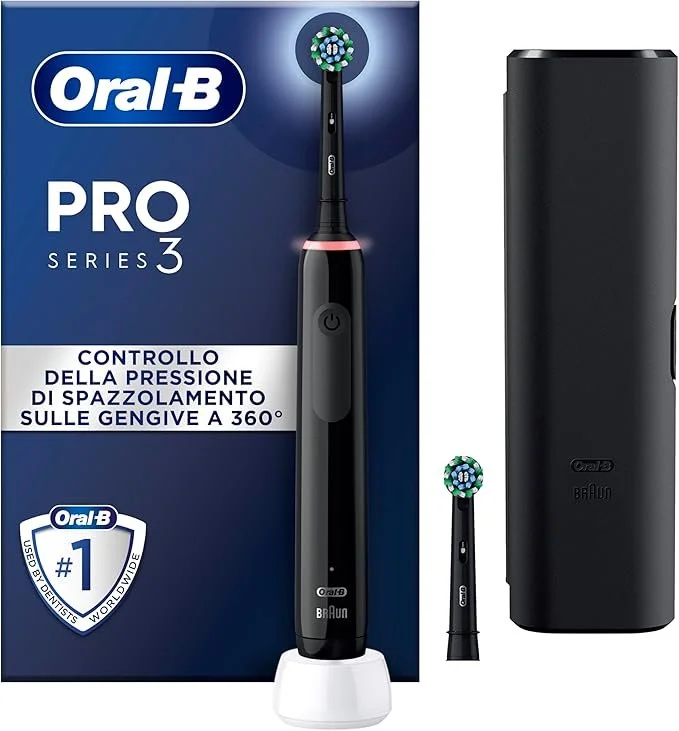
For those willing to spend more, the Philips Sonicare ProtectiveClean 4300 adds extra intensity settings and more premium features.

Still, for pure value and everyday practicality, I think the Series 1100 hits the best balance overall.
What Makes It Different?
What separates the Sonicare Series 1100 from many competitors is restraint.
Philips did not try to cram every possible feature into this toothbrush. Instead, they focused on delivering:
Comfortable brushing
Effective plaque removal
Simple controls
Reliable battery life
Lightweight handling
That focused approach makes it feel far more refined than many similarly priced rivals.
I also think the gentler sonic cleaning experience gives it a unique edge. After extended testing, my teeth consistently felt cleaner without the gum irritation I sometimes experience with rotating brushes.
It feels designed for real daily use rather than marketing gimmicks.
Is It Worth The Price?
Absolutely. In fact, I would go further and say the Philips Sonicare Series 1100 is one of the easiest electric toothbrush recommendations under £50.
It delivers the features most people genuinely need while avoiding unnecessary complexity.
The cleaning performance is excellent, the brushing experience feels comfortable and the lightweight design makes it pleasant to use every day.
After several weeks of testing, I found myself reaching for it over more expensive models simply because it felt effortless.
If your priority is cleaner teeth, healthier gums and straightforward usability without overspending, this toothbrush is very hard to beat.
FAQs
-
Yes. The sonic vibrations feel gentler than many rotating electric toothbrushes, making it a good option for sensitive teeth and gums.
-
No. It uses a single cleaning mode focused on simplicity and everyday effectiveness.
-
Most users can expect around two weeks of regular brushing per charge.
-
For most people, yes. It provides more consistent plaque removal and helps improve brushing technique.
-
Not always. Some retailer bundles include one, but many standard packages do not.
-
Older children and teenagers can use it comfortably, although Philips also offers dedicated kids models.
-
They are reasonably priced compared to many premium electric toothbrush systems and widely available in the UK.
What Do You Think?
If you’ve got an Philips toothbrush, we would love to know what you think of it. Have you enjoyed using it, have you had any problems?
Disagree with something in our review?
Let us know in the comments below!

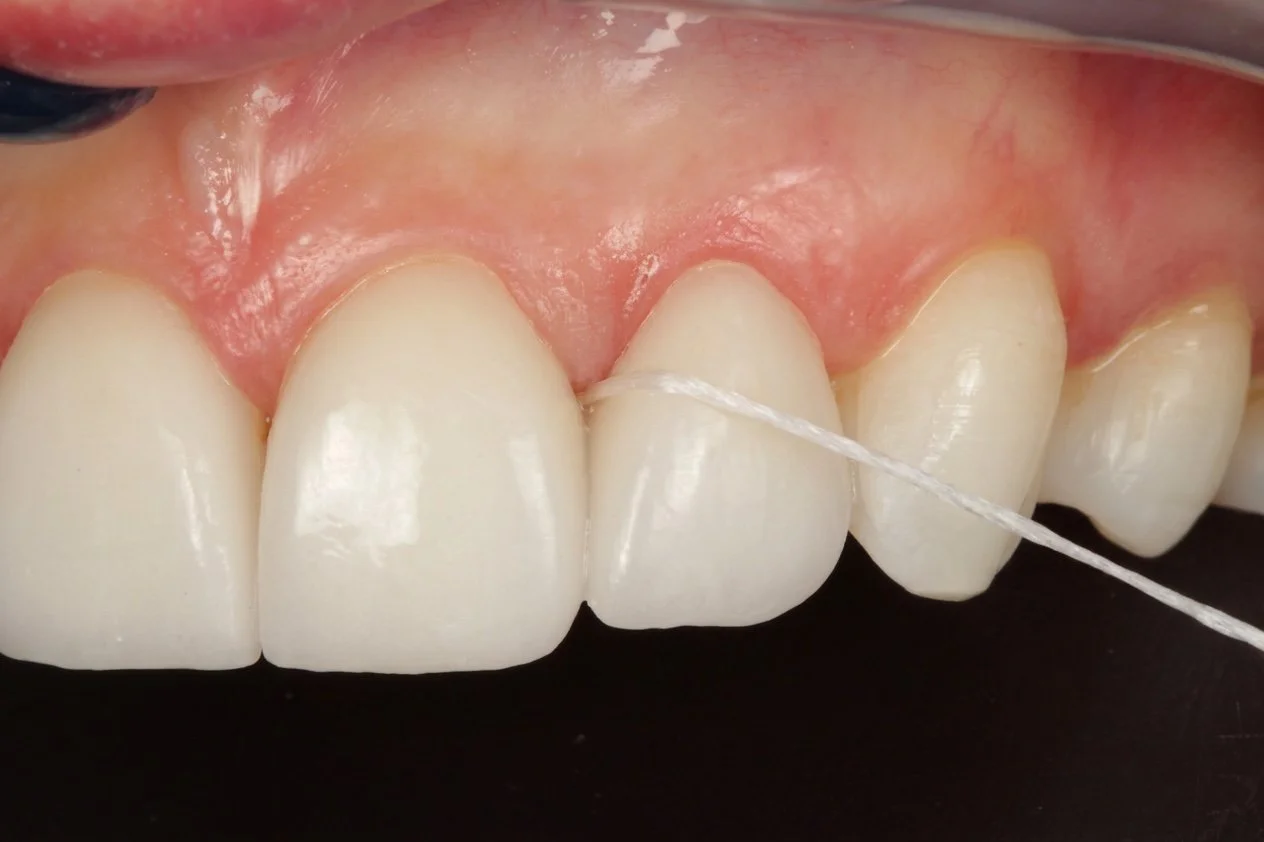
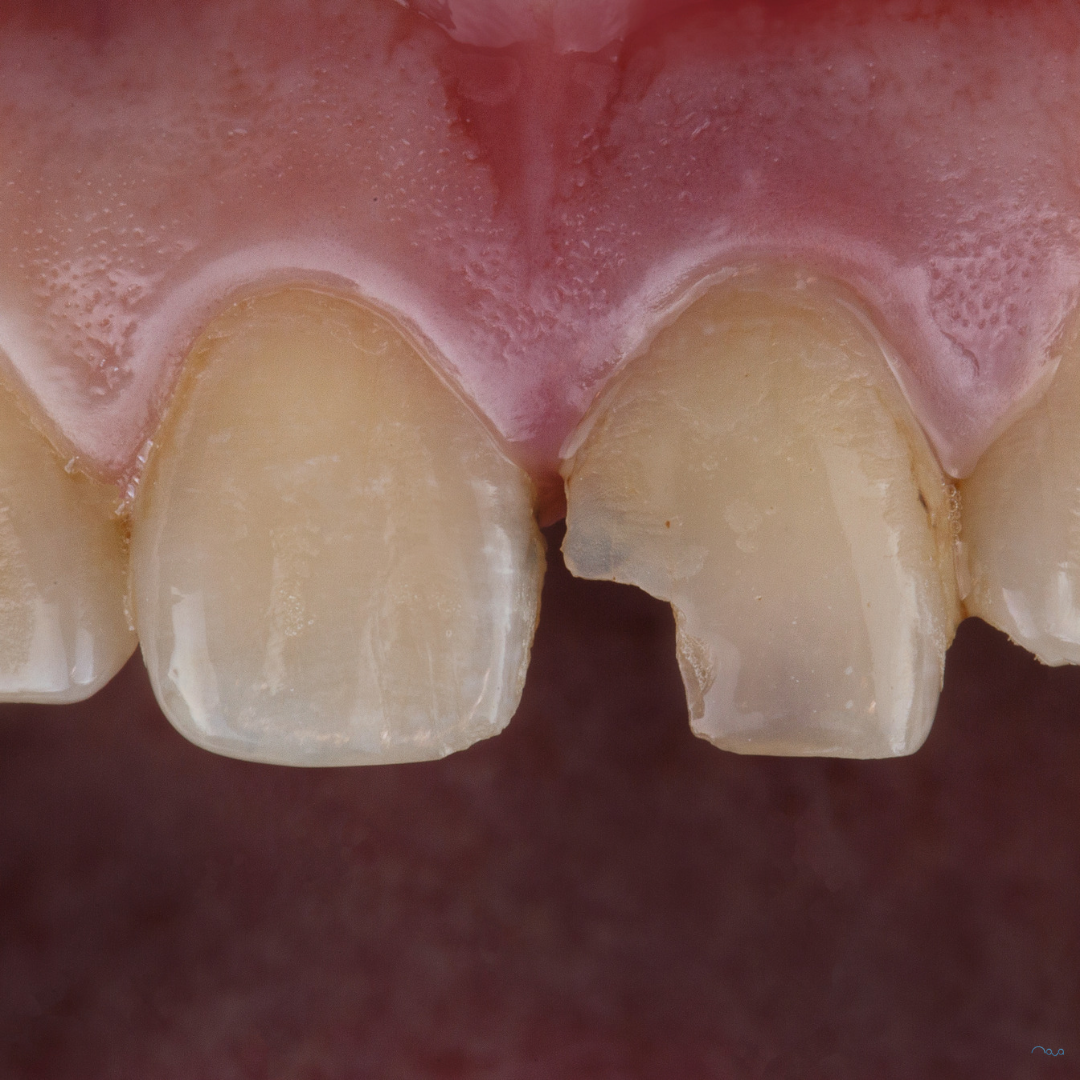


Ever run your tongue over your teeth after brushing and wondered why they still feel rough? From stubborn tartar to changes in your enamel or an old filling, we explain what could be causing that gritty feeling and what you can do about it.